Is AI Replacing Engineering Jobs?
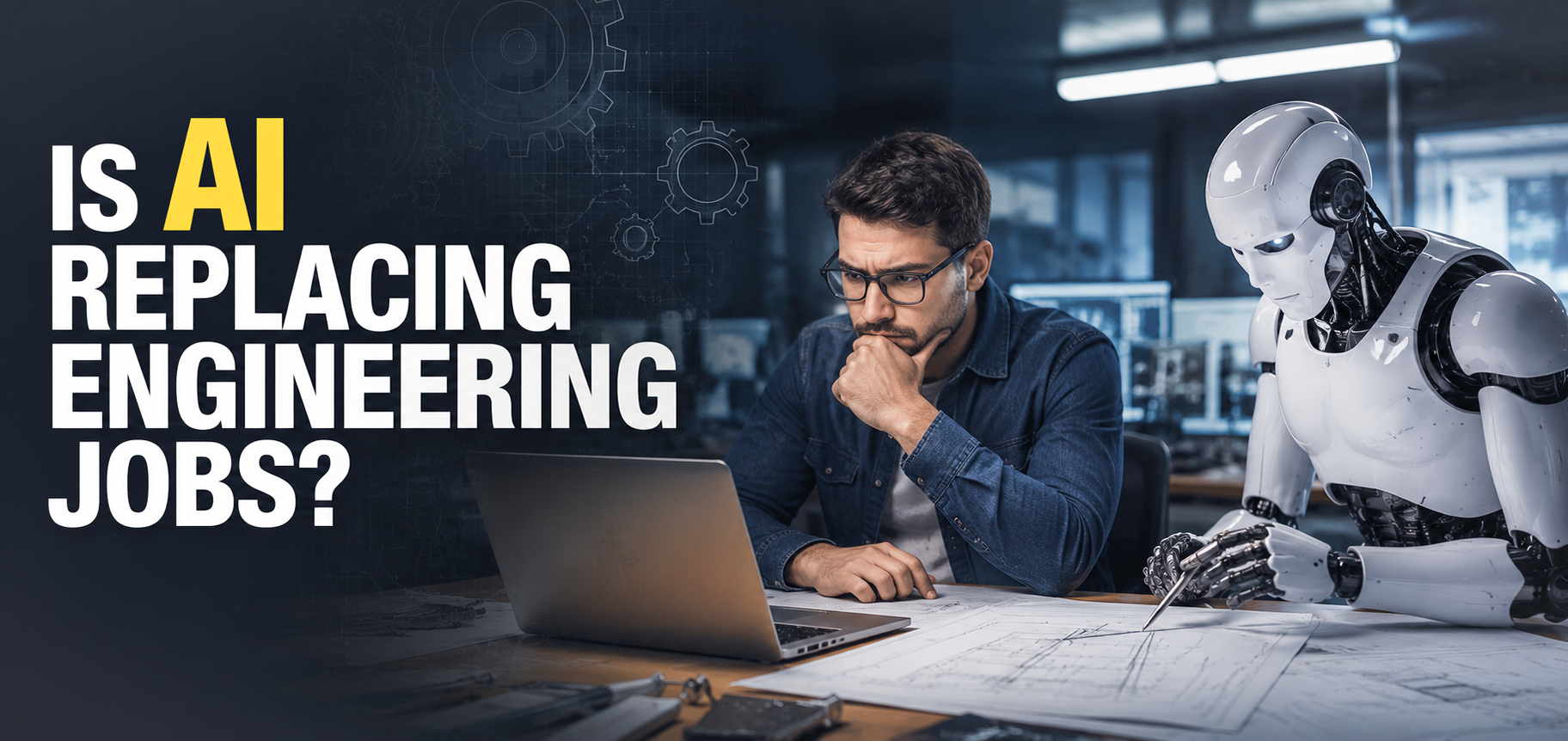
Artificial Intelligence (AI) has become one of the most transformative technologies of the modern era. From automating routine tasks to enabling smarter decision-making, AI is reshaping industries across the globe. As organizations increasingly adopt AI-driven solutions, many students and parents are beginning to wonder about the future of engineering jobs and whether engineering remains a secure career choice.
The reality is that AI is changing the nature of engineering work rather than eliminating the need for engineers. In fact, many emerging technologies are creating new opportunities for skilled professionals who can work alongside AI systems.
What Does AI Mean for Engineering Jobs?
AI refers to technologies that can perform tasks such as learning, reasoning, analyzing data, and making predictions. Industries including healthcare, manufacturing, finance, transportation, and information technology are integrating AI to improve efficiency and productivity.
As a result, the future scope of AI engineering continues to expand. Engineers are increasingly involved in developing intelligent systems, designing automation solutions, and creating technologies that improve business operations and user experiences.
Rather than replacing technical expertise, AI is becoming a tool that helps engineers work more effectively and solve complex challenges faster.
Is AI Replacing Engineers or Changing Their Work?
One of the biggest misconceptions about AI is that it will completely replace engineers. In reality, AI is automating repetitive and routine tasks while increasing demand for professionals who can design, manage, and improve intelligent systems.
Engineers are now spending more time on:
- Innovation and product development
- Complex problem-solving
- System architecture and design
- AI integration and optimization
- Strategic decision-making
This shift means that engineering jobs after AI will require stronger analytical thinking, creativity, and adaptability. Engineers who continuously update their skills are likely to remain highly valuable in the workforce.
Which Engineering Jobs Are Most Affected by AI?
AI has a greater impact on tasks that are repetitive, predictable, and data-driven. Some areas experiencing increased automation include:
- Basic software testing
- Routine data processing
- Predictable manufacturing operations
- Standard quality assurance processes
However, engineering disciplines that require innovation and advanced technical expertise continue to experience strong demand. These include:
- Artificial Intelligence and Machine Learning
- Robotics and Automation
- Cybersecurity
- Cloud Computing
- Data Engineering
- Electronics and Embedded Systems
This growing demand is one reason why students are increasingly exploring AI engineering colleges in India that offer specialized programs in emerging technologies.
What Skills Do Engineers Need in the AI Era?
Success in the AI era requires a combination of technical and professional skills. Future engineers should focus on developing:
- Programming and software development skills
- Data analysis and interpretation
- Machine Learning fundamentals
- Critical thinking and problem-solving abilities
- Communication and teamwork skills
- Understanding of automation technologies
Students searching for the top university for AI and Data Science often prioritize institutions that provide practical learning opportunities, industry exposure, internships, and project-based education.
Will AI Create New Opportunities for Engineers?
Yes. AI is expected to create entirely new career pathways rather than simply replacing existing jobs.
Emerging roles include:
- AI Engineer
- Machine Learning Engineer
- Data Scientist
- Robotics Engineer
- Automation Specialist
- AI Product Developer
- Cloud Solutions Architect
- Cybersecurity Analyst
This demand has significantly increased interest in programs such as B Tech Artificial Intelligence and other technology-focused degrees that combine engineering fundamentals with advanced digital skills.
Future of Engineering Careers with AI
The future of engineering careers will likely involve collaboration between human expertise and intelligent technologies. Engineers who understand AI, automation, and data-driven decision-making will be well-positioned for long-term success.
Programs such as the B Tech Artificial Intelligence and Data Science course are helping students develop skills that align with evolving industry requirements. Universities are increasingly integrating AI, Machine Learning, Data Science, and emerging technologies into engineering education to prepare students for future careers.
For students evaluating whether engineering remains a worthwhile investment despite technological disruption, it is important to consider long-term career outcomes, industry demand, and placement opportunities. You can explore this in our related blog, "Is B.Tech at KLU Worth the Fees in 2026?", which discusses return on investment, placements, industry exposure, and career prospects associated with engineering education.
Conclusion
AI is transforming the engineering landscape, but it is not replacing engineers altogether. Instead, it is reshaping job roles, creating new specializations, and increasing the demand for professionals who can combine technical expertise with innovation and adaptability.
For students planning their future, the key is not to avoid AI but to learn how to work with it. By developing future-ready skills and choosing programs aligned with emerging technologies, aspiring engineers can position themselves for rewarding careers in an increasingly AI-driven world.