How Do Language and Culture Impact Eastern Students Studying in South India?
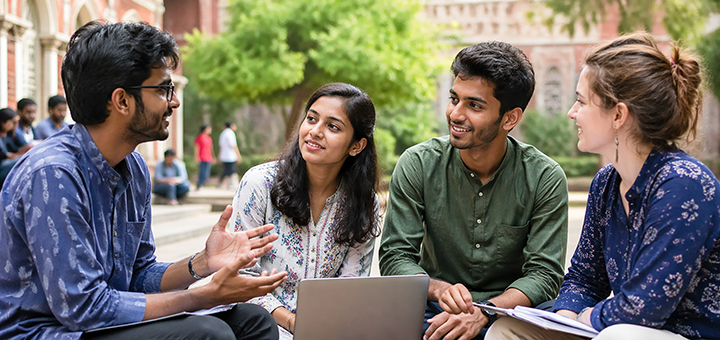
Moving to a different state for higher education is not just about choosing a college, it is about stepping into a completely new environment. For many students from Odisha,Chhattisgarh, and West Bengal studying in South India brings a mix of curiosity, excitement, and discovery. India is highly diverse. Every region has its own language, food habits, traditions, and lifestyle. So when students travel from the eastern part of the country to the south, they don’t just attend classes, they experience a new way of life.
This journey naturally brings questions around communication, cultural differences, and adjustment. At the same time, it also opens doors to growth, confidence, and wider perspectives. Let’s explore how language and culture impact eastern students studying in South India, and how this experience becomes a strong advantage over time.
Do Students from Odisha,Chhattisgarh and Kolkata Face Language Barriers?
One of the first thoughts students often have is about the language barrier for students in India. It’s a valid concern, especially when moving to a region where languages like Telugu, Tamil, or Kannada are commonly spoken.
However, what many students discover soon after arriving is that most universities in South India are highly diverse. English is widely used as the primary medium of instruction, and it also becomes the common language among students from different states. So, while local languages are part of daily life, communication inside classrooms, hostels, and campuses remains smooth.
Students from Odisha, Chhattisgarh, and Kolkata gradually pick up commonly used local words not out of pressure, but out of curiosity and daily interaction. Interestingly, this exposure often turns into a fun learning experience. Students start understanding greetings, food names, and basic phrases, which helps them feel more connected to their surroundings.
In this way, what initially seems like a challenge becomes an opportunity to grow linguistically.
Challenges Faced by Students Studying in Different States
When we talk about the challenges faced by students studying in different states, it is important to understand that these are not obstacles but learning curves. Students may notice differences in food habits, climate, daily routines, and communication styles.
For example the academic environment may emphasize different teaching styles or classroom participation methods. Instead of being overwhelming, this often encourages students to adapt and become more flexible learners.
Another subtle difference is in social interactions. Every region has its own way of expressing warmth and friendliness. As students spend more time on campus, they naturally learn these patterns and build meaningful friendships.
These experiences shape students into more adaptable individuals, something that becomes extremely valuable later in life.
How Quickly Do Students Adapt to Multilingual Campuses?
A common question is: How quickly do students adapt to multilingual campuses? The answer lies in the environment itself. South Indian campuses are often filled with students from across the country and even from abroad. This creates a naturally inclusive atmosphere where no one feels out of place for long.
Within the first few weeks, students start recognizing familiar faces, forming groups, and sharing experiences. English acts as the bridge language, while small bits of different languages add color to everyday conversations.
Group projects, hostel life, and campus activities accelerate this process. When students collaborate, celebrate festivals together, and participate in events, adaptation happens almost effortlessly.
What makes this transition smoother is the shared experience everyone is adjusting in their own way. This creates a sense of unity and mutual understanding among students.
Over time, students not only adapt but begin to enjoy the diversity around them.
What Support Systems Help Students Adjust Culturally?
Colleges today understand the importance of helping students feel comfortable in a new environment. That’s why there are multiple support systems that help students adjust culturally.
Orientation programs are usually the first step. These sessions introduce students to campus life, academic expectations, and cultural norms. They also provide practical information about living in a new city.
Hostel communities play a huge role as well. Living with peers from different states creates a natural support system where students help each other in everyday situations whether it’s understanding a local phrase or exploring nearby places.
Faculty members and student coordinators are also approachable and supportive. They guide students not only academically but also help them settle into the new environment.
Many campuses also have cultural clubs and student associations. These platforms allow students to celebrate their own traditions while also experiencing others. Festivals from different regions are celebrated together, creating a sense of belonging for everyone.
In such an environment, cultural adjustment becomes less about effort and more about participation.
Cultural Differences in Indian Education
The cultural differences in Indian education across regions are subtle yet meaningful. Each state brings its own academic strengths and learning approaches.
In South India, institutions often focus on structured learning, practical exposure, and consistent evaluation. Students from eastern India may find this approach refreshing, as it encourages discipline and hands-on understanding.
At the same time, students bring their own strengths, creativity, adaptability, and strong foundational knowledge. This exchange of learning styles creates a balanced academic experience.
Classrooms become spaces where different perspectives come together. Discussions become richer, group work becomes more dynamic, and learning becomes more holistic.
Rather than feeling like a difference, this blend of educational cultures enhances the overall experience for students.
Does Cultural Exposure Improve Employability Skills?
One of the most valuable outcomes of studying in a different region is the development of real-world skills. So, does cultural exposure improve employability skills? The answer is a strong yes.
When students interact with peers from different backgrounds, they naturally develop communication skills, adaptability, and emotional intelligence. These are qualities that employers highly value.
Working in diverse teams during college prepares students for modern workplaces, which are often multicultural and collaborative. Students become more open-minded, confident, and capable of handling new situations.
Language exposure also plays a role. Even basic understanding of multiple languages reflects flexibility and willingness to learn traits that stand out in professional environments.
Additionally, students who adapt to new cultures tend to handle change better. This ability becomes a key advantage in careers where environments and challenges keep evolving.
In this way, the experience of studying in South India goes beyond academics and becomes a strong foundation for future success.
How to Adapt to a New Culture in College
Adapting to a new environment doesn’t require drastic changes. Small, consistent steps make the process smooth and enjoyable. Here are a few simple ways on how to adapt to new culture in college:
- Stay open to new experiences whether it’s trying different food or attending cultural events
- Communicate freely don’t hesitate to start conversations with classmates
- Participate in campus activities that helps build connections naturally
- Observe and learn understanding local customs becomes easier over time
- Stay connected to your roots while embracing new traditions
The idea is not to change who you are, but to expand your perspective.
Final Thoughts
Studying in South India as an eastern student is a journey of growth, discovery, and transformation. While language and culture may feel new in the beginning, they quickly become part of a rich and rewarding experience.
From understanding different languages to celebrating diverse traditions, students gain much more than a degree they gain confidence, adaptability, and a broader worldview.
Many universities today report increasing student mobility across regions, showing that more students are choosing to step out of their comfort zones for better opportunities and exposure.
In today’s interconnected world, these experiences are not just beneficial, they are essential. They help students build skills that go beyond academics, including communication, networking, and cultural intelligence.
So, for students planning this journey, the experience is not just about adjusting, it's about evolving into a more capable and confident version of yourself. With the rise in inter-state education trends, this shift is becoming more common and more valuable than ever before.