Exploring the World of Food Technology at KL University
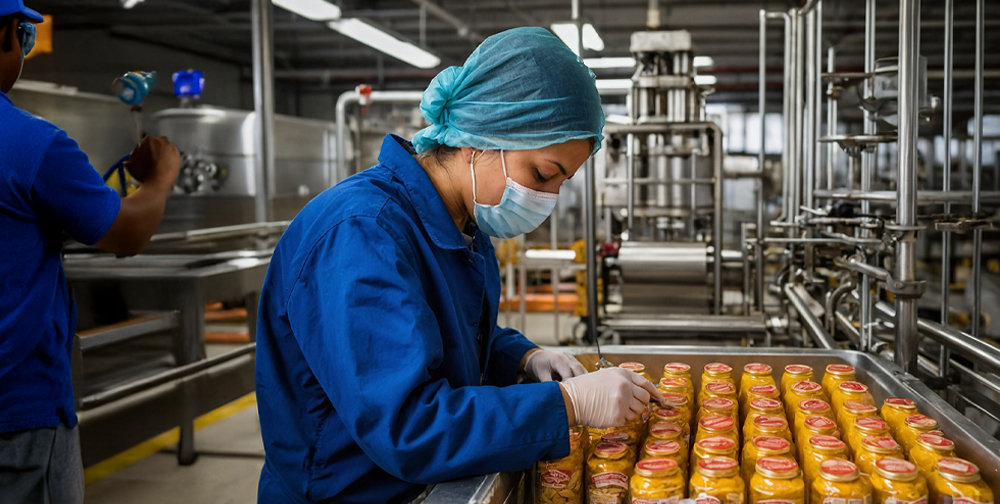
Food Technology is an active and crucial area where science and cooking skills meet. It's all about understanding, creating, and improving how we turn basic farm products into the many kinds of food we eat every day that are safe, healthy, look good, and are easy to find. From planting a seed all the way to eating a meal, Food Technology is super important for making sure our food is good, safe, and doesn't hurt the environment.
Food Technology goes way beyond just cooking a lot of food. It's a deep dive into the complicated science of what food is made of, how it acts, and how it affects the world around us. It cleverly uses ideas from chemistry, tiny living things, how things work, and building things to create new foods, make current foods better, keep them fresh longer, make them healthier, and cut down on waste. Now that we need to feed more people, be kinder to the planet, and have healthier options, Food Technology is a really key and ever-changing job. It touches everyone's lives every day, changing not just what we eat but also how our food is made and moved to different places to serve everyone.
Is Food Technology a Good Career?
Yes, Food Technology can be a good career choice, offering diverse opportunities in a growing and essential industry. Here are the reasons:
High Demand and Growing Sector:
- The food processing industry is one of the largest globally and is continuously expanding due to population growth, changing lifestyles, and increasing demand for processed and packaged foods.
- In India, the food tech sector is experiencing rapid growth, with a significant Compound Annual Growth Rate (CAGR) expected. This indicates a strong demand for skilled professionals.
- There's a rising focus on health, wellness, and convenience foods, further driving the need for innovation and expertise in food technology.
Diverse Career Opportunities:
- Food Processing & Manufacturing: Food Technologist, Production Manager, Quality Assurance Manager, Food Safety Officer.
- Research & Development: Food Scientist, Product Development Scientist, Flavor Chemist, Sensory Analyst.
- Quality Control & Assurance: Quality Control Officer, Food Inspector, Regulatory Affairs Specialist.
- Food Safety & Regulations: Food Safety Manager, Public Health Officer, Regulatory Affairs Manager.
- Nutrition & Health: Nutritionist, Nutritional Therapist.
- Packaging: Packaging Technologist.
- Academia & Research: Assistant Professor, Research Scientist.
- Consulting: Food Consultant, Sustainability Consultant.
- Entrepreneurship: Starting ventures in food processing, innovative food products, or sustainable food solutions.
What Makes Food Technology a Thriving Field of Study?
Food Technology is a vibrant and expanding field of study driven by several key factors.
Firstly, it addresses the fundamental human need for food, ensuring a stable and consistently high demand for professionals who can guarantee a safe, nutritious, and readily available food supply for an increasing global population. This inherent importance establishes a robust and continuous need for skilled individuals in the sector.
Secondly, Food Technology exists at the dynamic intersection of science and innovation. As a highly interdisciplinary domain, it integrates principles from biology, chemistry, microbiology, physics, and engineering, fostering a stimulating environment for those who enjoy applying scientific knowledge to practical challenges. The continuous imperative for innovation in food production, preservation, safety, and the creation of new food products fuels ongoing learning and progress within the field. From enhancing agricultural output and minimizing food waste to developing novel culinary experiences and ensuring food safety through advanced technologies, food technologists are at the cutting edge of advancement, particularly within the supportive ecosystem fostered by initiatives like "Make in India" which encourages growth in this sector. Furthermore, increasing consumer awareness regarding health, nutrition, and sustainable food practices in all places of India is further amplifying the demand for experts in Food Technology. The essential nature of the food industry, coupled with its constant evolution driven by technological advancements and a focus on global challenges, solidifies Food Technology as a promising and thriving area of academic pursuit.
Where to Study Food Technology?
KL University is one of the best universities in India for food technology programs. The University is well-equipped with the best facilities, faculty, and infrastructure to deliver an exceptional BSc Food Technology program. Please refer to the Counselling/academics brochure for food technology admission, BSc food technology course, and BSc food technology program fee details.
Our BSc food technology course offers a comprehensive educational experience encompassing food ingredients, their makeup, processing methods, quality assurance, preservation techniques, packaging solutions, storage practices, sensory analysis, relevant regulations, and safety protocols. Through our distinctive curriculum, we are committed to providing exceptional training, ensuring our students acquire all the necessary knowledge and practical skills for success in this field. Beyond technical proficiency, we also prioritize the development of essential life skills to empower our graduates in both their professional endeavors and personal growth. Some of the strengths of the program are as follows:
- Globally recognized, outcome-based, industry-oriented, and as per IFT (Institute of Food Technologists, USA) guidelines.
- Certificate courses in cutting-edge technologies like HACCP, packaging, supply chain management offered by industry giants.
- Internships and practice schools at European and American universities and industries.
How Does KLU Connect Food Technology Students with Real-world Practices?
- 1. Industry-Oriented Curriculum: The KLU Food Technology program integrates industry relevance by incorporating input from experts to align the curriculum with current needs, technologies, processes, and challenges in the food sector. Furthermore, the curriculum emphasizes the practical application of theoretical knowledge, extending learning beyond traditional classroom settings.
- 2. Well-Equipped Laboratories: KL University has dedicated and well-equipped food science and technology laboratories. These labs allow students to gain hands-on experience with food processing equipment, quality control testing, analytical techniques, and product development processes, mirroring real-world industrial settings.
- 3. Industrial Visits: Organizing visits to food processing plants, food research institutions, and related industries allows students to observe real-world operations, understand industry workflows, and interact with professionals.
- 4. Internships and Practical Training: KLU offers internships in various food-related organizations for hands-on experience and industry connections. The curriculum may also include significant project work addressing real-world industry problems with collaboration or mentorship.
- 5. Research and Development Opportunities: Students can participate in research projects, potentially collaborating with industry partners on research questions or product development initiatives, providing real-world R&D experience.
Conclusion
The field of Food Technology stands as a dynamic and indispensable pillar of modern society, addressing the fundamental human need for safe, nutritious, and accessible food. Driven by the convergence of scientific principles and innovative applications, it offers a wealth of promising career opportunities within a consistently growing and evolving industry.
At KL University, aspiring food technologists will find a comprehensive and future-focused program. Equipped with state-of-the-art facilities, guided by experienced faculty, and immersed in a curriculum aligned with global standards and industry needs, students gain both theoretical mastery and practical expertise. Through robust real-world connections fostered via internships, industrial visits, and collaborative projects, KL University ensures its graduates are not only technically proficient but also possess the essential life skills to thrive and contribute meaningfully to the exciting and ever-expanding world of Food Technology. For those seeking to shape the future of food, KL University provides an exceptional launchpad.