What Can You Do with an Agriculture Degree from KLU?
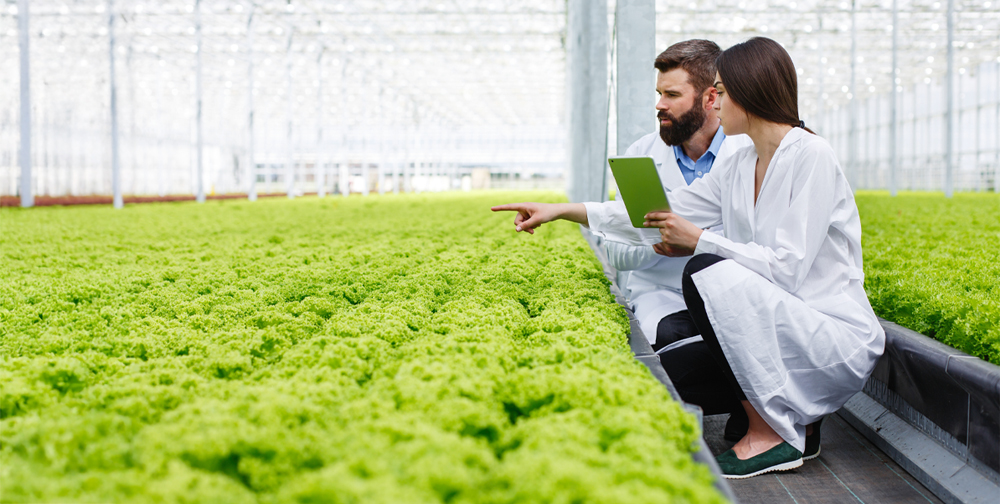
Today, the world really cares about protecting nature and making sure everyone has enough food using new technology. Because of this, farming and agriculture are super important fields. So, it's not just about old-style farming anymore; it is a busy, changing area full of opportunities for people who know science, have practical skills, and want to help feed the planet. If you are looking for a job that truly makes a difference, getting an agriculture degree is your first big step. KL University, with its focus on modern learning and all-around growth, offers a great way into this vital industry. But once you earn that valuable agriculture degree, what exciting paths can you take? Let’s explore the many great things waiting for students who finish KLU’s B.Sc. (Hons.) Agriculture program.
Why is an Agriculture Degree Important?
An agriculture degree helps with the most basic human need: food. It's important to study agriculture courses today because the world is changing fast with an increasing population.
First, making sure everyone has enough food is a huge problem all over the globe. With more and more people, we absolutely must have a steady supply of good, safe food. People with an agriculture degree directly help grow more crops, find strong ways to farm, manage how food gets from farms to your table, and stop food from going to waste. They are the smart people who will feed billions in the future.
Second, taking care of nature and the environment is a main part of modern agriculture. Today’s B.Sc. Agriculture admission programs teach natural friendly farming, like organic farming, managing water, keeping soil healthy, and saving different kinds of plants and animals. An agriculture graduate learns how to produce food while protecting natural resources. This makes them key players in dealing with climate change and fixing environmental problems.
Third, the farming field is going through a big technology change. Modern agriculture uses a lot of tech, from special farming using drones and AI, to new plant science that makes crops stronger, and using data to make farm work better. An agriculture degree gives students the science and tech know-how to use these new tools. This turns old farming into smart, effective, and profitable farm businesses.
Finally, an agriculture degree helps people start their own businesses and grow in rural areas. Graduates don't just look for jobs but they create them. They can start their own farm businesses, like organic farms, food processing factories, farming advice services, or new agri-tech companies. This directly helps rural areas grow stronger, creating jobs and bringing money to farming communities. So, an agriculture degree isn't just about farming; it's about science, technology, money, nature, and helping people. This makes it a very important and useful qualification.
What are the Top Career Options in Agriculture?
The world of jobs for people with an agriculture degree is very wide and always changing. It's much bigger than just working on a farm. With a B.Sc. (Hons.) Agriculture from KLU, you'll be ready for many different jobs in various areas. The skills you learn from all the agriculture courses open doors to jobs in both government and private companies, and also to starting your own business.
- Farm Manager/Crop Expert (Agronomist): This is a main job where you use science to grow the best crops. Crop experts tell farmers how to manage soil, pick crops, control pests, and use fertilizers to grow more food in a good, long-lasting way. Graduates can work on big company farms, for farming groups, or as their own advisors.
- Agricultural Research Scientist: If you love new ideas, research is an exciting path. You can work in government research places, universities, or private companies. You might focus on finding new types of crops, making farming methods better, using new plant science, or finding ways to farm without harming nature. A bachelor of agriculture is a strong base for further studies (like M.Sc., Ph.D.) in special agriculture sciences.
- Food Scientist/Food Technologist: This job is about making sure food products are safe, good quality, and properly made. Graduates work in food factories, creating new food items, making old ones better, checking quality, and making sure rules about food safety are followed. This job connects the farm to the food on your plate.
- Agricultural Advisor (Extension Officer)/Rural Development Worker: These people connect research groups with farmers. They share new farming technologies, offer training, and give advice to people in villages, helping them use modern ways and improve their lives. Government groups and charities often hire for these jobs.
- Agribusiness Manager/Marketing: The business side of agriculture is huge. Graduates can work for companies that sell farm supplies (seeds, fertilizers), machines, or processed food. Jobs include sales, marketing, managing how products get from farms to stores, trading farm goods, and looking at market trends, managing the money side of the whole food business.
- Gardening Expert (Horticulturist)/Flower Expert (Floriculturist): These jobs focus on fruits, vegetables, flowers, and pretty plants. These experts work in plant nurseries, greenhouses, garden design companies, or special fruit/vegetable farms. They focus on growing valuable crops and making things look good.
- Soil Scientist/Environmental Scientist:With more focus on protecting nature, these jobs are very important. Soil scientists look at soil health, suggest ways to fix soil problems, and manage how land is used. Environmental scientists in agriculture look at water quality, managing waste, and how farming affects nature.
- Agricultural Loan Officer/Banking: Banks, especially those helping farms and rural areas, need people who understand how money works in farming. Graduates can work as loan officers, checking if farmers can get loans and giving money advice to farmers and farm businesses.
- Agricultural Writer/Communicator:If you are good at writing and talking, there are jobs in farm magazines, websites, and public relations companies. You would share important information about farming methods, market changes, and new rules.
- Entrepreneurship/Agri-Tech Startup: Many B.Sc. Agriculture admission graduates choose to start their own businesses. This could be anything like organic farming, opening food processing factories, farm tourism, or creating new agri-tech solutions (e.g., farm management software or drone services to check crop health).
The courses at KLU for B.Sc. (Hons.) Agriculture are specially made to cover these many areas. They give students both classroom knowledge and real-world experience, making them very ready for jobs in this big and important field.
Conclusion
A B.Sc. (Hons.) Agriculture degree from KL University is a future full of purpose, new ideas, and real impact. In a world where having enough food, protecting nature, and new technology are most important, agriculture graduates are the key problem-solvers and pioneers. Whether you want to be a scientist finding crops that don't need much water, a farm business manager making markets better, a farm manager using smart farming tools, or a business owner starting a new farm tech company, your agriculture degree from KL University gives you the strong base you need. Choosing to study agriculture courses here means choosing to be a leader in a changing industry. You'll directly help feed the planet, save its resources, and build a better and richer future for everyone. Start this rewarding journey and grow a career that truly matters.