Sustainable Development Goals (SDG)

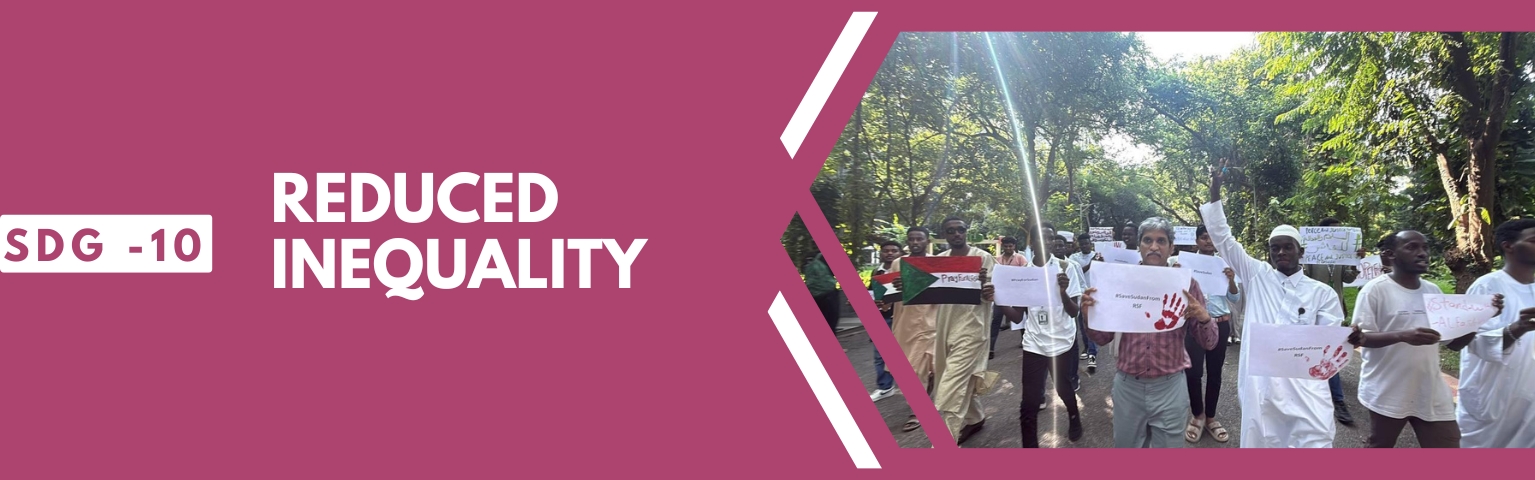
The call to reduce inequality through Goal 10 is universal, focusing on inequalities within and between communities and institutions. KL University is committed to addressing structural and systemic inequalities in income, access, opportunity, and representation. The University strengthens internal policies grounded in fairness, non-discrimination, and equitable growth, ensuring that institutional development whether through infrastructure development, domestic technology development, or inclusive industrialisation supports reduced disparity across all groups. In line with global concerns over rising inequality and widening labour-income gaps, KL University actively manages the pay gap between the lowest and highest paid staff by instituting transparent compensation structures and regular reviews. This aligns with its broader equity agenda, designed to promote fair employment, secure livelihoods, and balanced economic participation.
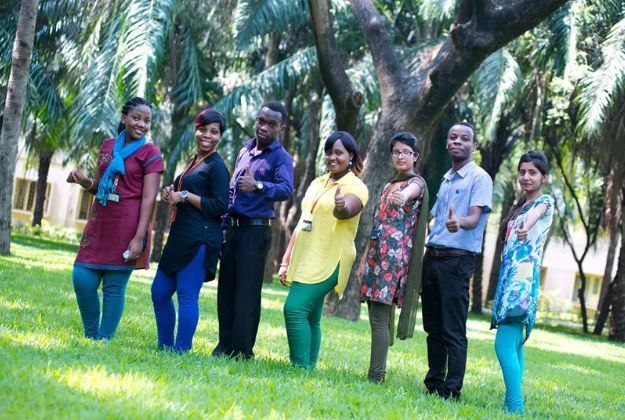
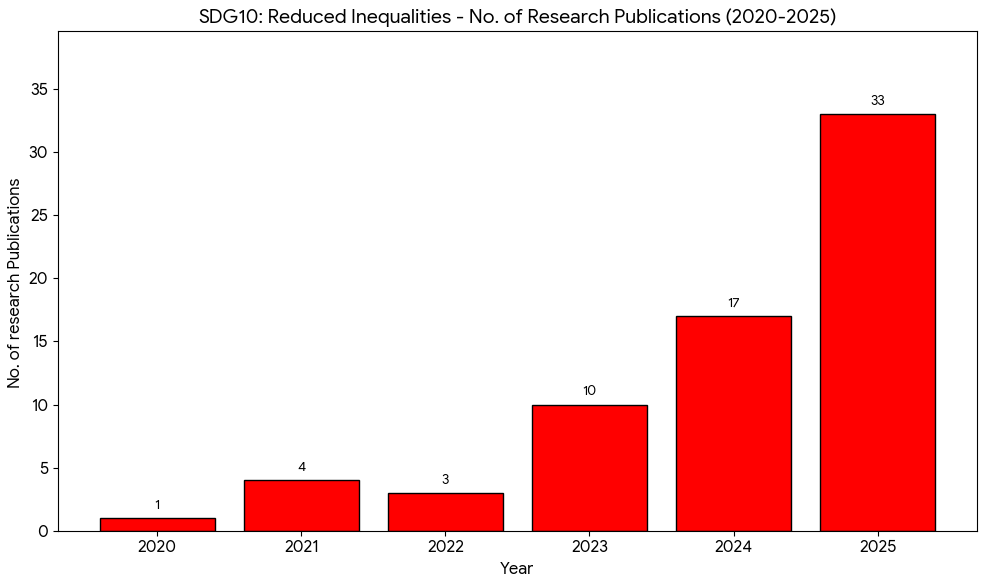
The University has produced a considerable number of publications related to SDG-10: Reduced Inequalities, supporting global research in equity, justice, representation, and inclusion.
KL University’s equity agenda commits to equal opportunity for all students and staff. To promote access for underprivileged students, the University expands scholarship programmes and strengthens awareness initiatives among marginalised communities, ensuring that financial disadvantage does not limit access to higher education. Gender equity in admissions is further reinforced through targeted outreach campaigns that encourage greater participation of women in STEM fields an essential step toward addressing gendered gaps in representation and labour opportunities.
Consistent with the metric on supporting individuals with disabilities, the University has initiated a comprehensive accessibility audit across its academic and residential buildings, ensuring that retrofits including tactile paths, accessible ICT systems, elevators, and assistive technologies create a barrier-free environment. These investments complement broader infrastructure development strategies, demonstrating how physical, digital, and social systems can work together to reduce inequalities. Mechanisms for representation in decision-making bodies have also been strengthened, ensuring that voices from marginalised groups including rural students, economically disadvantaged individuals, persons with disabilities, and gender-diverse communities are integrated into governance structures and policy deliberations.
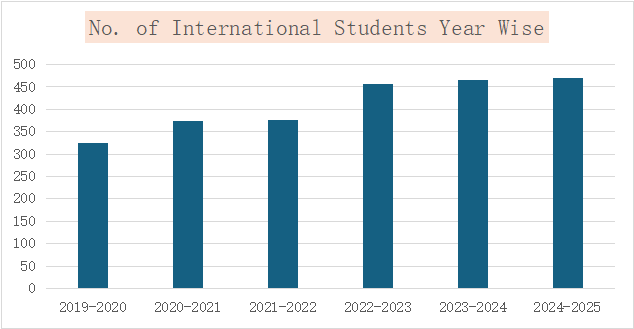
In response to rising global discrimination trends, KL University has reaffirmed its commitment to eliminate all forms of discrimination across the institution. Aligned with the metric on anti-discrimination policies, the University conducts ongoing awareness sessions and training programmes to foster inclusivity, challenge stereotypes, and ensure compliance with ethical standards. These initiatives help create a safe environment for individuals from diverse cultural, religious, gender, and socioeconomic backgrounds.
The University maintains a strict zero-tolerance policy for discriminatory practices and promotes a socially cohesive environment supported by responsive grievance mechanisms. Regular campus-wide campaigns focus on allyship, cultural sensitivity, digital safety, LGBTQ+ inclusion, and disability awareness. These actions help address inequality rooted in identity, class, or status, reaffirming KL University’s role as a safe, inclusive, and diverse academic ecosystem.
Creating a supportive and inclusive environment is central to KL University’s approach to SDG 10. Dedicated support structures including counselling units, equal opportunity cells, women’s development cells, and disability support services ensure that students and staff have access to trusted channels for guidance and advocacy. People from financially disadvantaged backgrounds benefit from targeted academic support, subsidised services, mentorship networks, and peer-learning initiatives.
For individuals from rural and regional areas, the University conducts bridge programmes and digital literacy workshops to ease the transition into higher education. Gender-diverse individuals and women in the workplace are supported through safe reporting systems, leadership development opportunities, and professional upskilling programmes. These interventions ensure that inclusion extends beyond policy, shaping daily experiences and long-term outcomes.
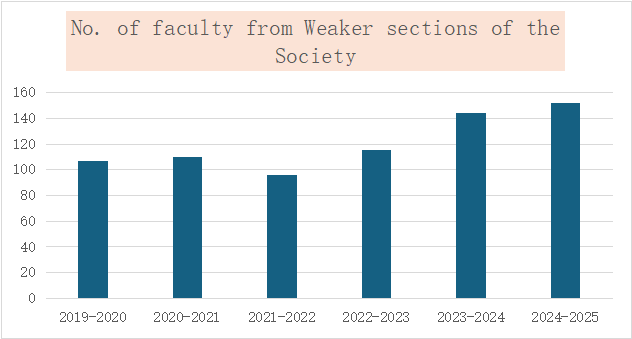
Recognising the value of social partnerships in reducing inequality, KL University collaborates with NGOs working on gender justice, disability inclusion, migrant support, rural development, and financial literacy. In line with the metric on collaboration with NGOs, the University initiates community projects that address local inequalities and extend capacity-building programmes to underserved groups. These partnerships amplify institutional impact while strengthening social systems that empower vulnerable communities.
KL University also hosts frequent events that promote equality, cultural inclusiveness, and social harmony. Workshops, public lectures, arts festivals, and diversity celebrations raise awareness and foster mutual respect across the campus community. The University’s commitment to increasing the frequency and diversity of these events ensures sustained engagement and deeper social impact.
KL University supports economic inclusion by implementing institutional policies that reduce financial burdens for marginalised groups. Fee concessions, emergency financial assistance, and flexible payment plans support the needs of economically weaker students. To reduce inequalities in income, the University enhances work-study programmes, enabling students from low-income households to gain experience and financial support simultaneously.
By promoting access to ICT and the Internet including high-speed Wi-Fi across the campus and digital resource centres the University ensures that all students, including those from disadvantaged backgrounds, have equal access to digital learning tools. This digital inclusion aligns with global recommendations to reduce inequalities through technological access.

KL University integrates inclusivity into its broader infrastructure development and sustainable/inclusive industrialisation efforts. Investments in sustainable and clean industries on campus such as green buildings, energy-efficient labs, and low-emission transport ensure that infrastructural growth benefits all groups. ODA for infrastructure is leveraged where applicable, and domestic technology development is promoted through research centres focused on assistive technologies, inclusive design, and accessibility tools.
The University extends academic and skill development programmes to the local community, building pathways for social mobility and reducing skill-based inequality. This includes ICT training, entrepreneurship workshops, and research and development initiatives that support small-scale industries’ access to finance, technology adoption, and sustainable business practices.
KL University strengthens social bonds through inclusive campus events that celebrate diversity and solidarity. Events promoting equality, cultural exchange, and interfaith dialogue encourage cross-group interaction and build mutual understanding. The University enhances representation in decision-making by ensuring that committees include members from marginalised groups, reinforcing democratic participation within institutional governance.
These approaches help reduce structural inequalities and promote active citizenship key dimensions of Goal 10’s global vision.
KL University’s unified approach to SDG 10 combining policy reform, inclusive infrastructure, access to ICT, anti-discrimination systems, and targeted support for vulnerable groups demonstrates a deep institutional commitment to reducing inequalities. Through strengthened representation, expanded scholarships, gender equity initiatives, disability inclusion measures, NGO collaborations, and community outreach, the University advances economic, social, and educational equality.
By integrating sustainable/inclusive industrialisation, research and development, and community skill development into its equality agenda, KL University creates an ecosystem where fairness, participation, and opportunity are available to all. This holistic commitment places the University at the forefront of equitable development and positions it as a model for inclusive, resilient, and socially just higher education.