Sustainable Development Goals (SDG)


Zero Hunger remains one of the most challenging and urgent global priorities. Despite signs of improvement in recent years, hunger, malnutrition and food insecurity continue to affect large sections of the world’s population. Global estimates indicate that in 2024, about 8.2% of people experienced undernourishment, and nearly 2.3 billion individuals around 28% of the world’s population faced moderate or severe food insecurity. While some regions such as South America and parts of Asia have achieved progress, others, particularly sub-Saharan Africa and parts of Western Asia, continue to struggle with worsening hunger conditions due to conflict, climate shocks, high food prices and economic instability. These uneven trends reveal the complexity of combating hunger and point to the urgent need for resilient food systems, inclusive nutrition programs and sustainable agricultural practices
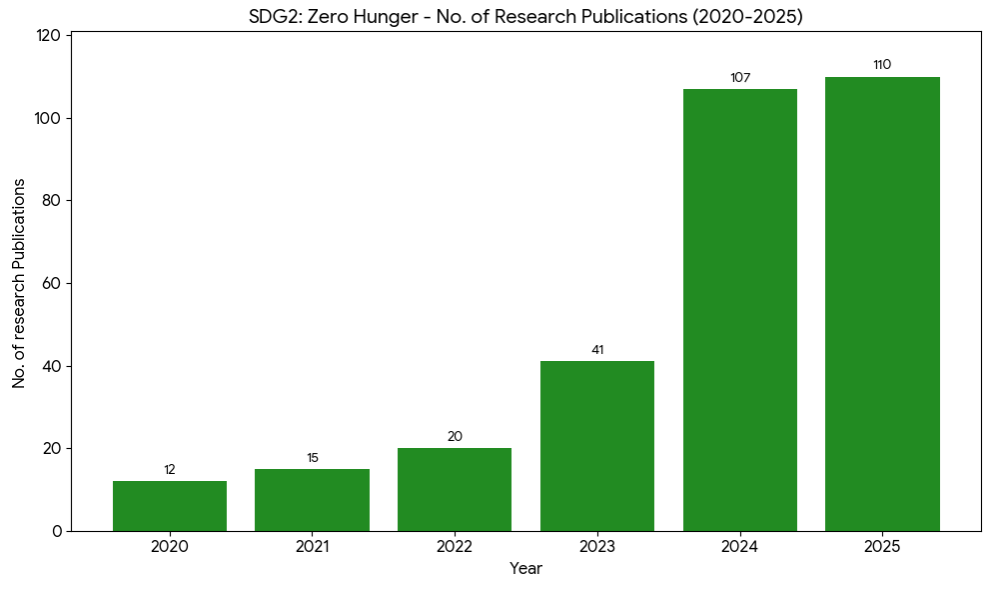
KL Deemed-to-be University has also contributed to SDG 2: Zero Hunger through its academic research output. Over the past five years, the university has produced a significant number of research publications focused on food security, sustainable agriculture, nutrition, and hunger eradication, demonstrating its commitment to evidence-based solutions for global hunger challenges.
Although the prevalence of global hunger has declined slightly since 2022, progress is still insufficient to reach international targets. Undernourishment remains above pre-pandemic levels, and food insecurity has risen sharply since 2015. Sub-Saharan Africa continues to have the highest rates of hunger, affecting more than one-fifth of its population, while conflict-affected and climate-vulnerable regions also show persistent increases in food insecurity. Food price anomalies remain a major driver of vulnerability; although the number of countries experiencing high food prices dropped from 60% in 2022 to 50% in 2023, this figure is still triple the pre-pandemic average. These challenges highlight the importance of strengthening global systems that enhance access to safe, nutritious and sufficient food while integrating climate-smart agricultural practices, data-driven monitoring systems and inclusive nutrition interventions.
Malnutrition continues to undermine human development, particularly among women and children. Stunting among children under five decreased from 26.4% in 2012 to 23.2% in 2024, but recent trends suggest a possible reversal. Wasting remains a major concern in Asia and sub-Saharan Africa, while childhood overweight rates have remained relatively stable. Women aged 15–49 experience rising rates of anaemia, reaching 30.7% in 2023, and dietary diversity remains inadequate for both women and young children. Improving global nutrition requires coordinated strategies that expand access to healthy diets, improve maternal and child health programs and address the structural inequalities that restrict access to nutritious food.
Small-scale food producers remain central to global food security and agrifood resilience. Yet they face significant challenges, including low labour productivity, limited income levels and restricted access to technology and markets. In many countries, small-scale producers earn less than half the income of larger producers, often falling below $1,500 annually. These income gaps, combined with climate instability and rising input prices, make agricultural livelihoods increasingly vulnerable. Strengthening resilient, productive and sustainable agriculture requires investment in research, technology transfer, infrastructure, capacity-building and supportive policies that prioritise smallholder farmers.
Global public investment in agriculture reached a record $701 billion in 2023. However, the agriculture orientation index (AOI) which measures how government spending aligns with the sector’s contribution to GDP has continued to decline, demonstrating a growing disconnect between spending and actual needs. LDCs and LLDCs spend roughly 4% of their budgets on agriculture, despite the sector generating nearly 18% of GDP. Aid to agriculture has increased significantly since 2015 but remains volatile. Addressing global hunger sustainably requires more targeted public spending, stronger support for research and innovation, and wider access to genetic resources for agriculture, ensuring long-term resilience and food system stability.
KL Deemed-to-be University actively contributes to SDG 2 through responsible campus operations, sustainable food systems, nutritional support programs and community-centred agricultural initiatives. The university integrates principles of food security, sustainable agriculture and responsible consumption into academic, administrative and outreach functions. By promoting sustainable food choices, reducing food waste, supporting small-scale producers through knowledge transfer and equipping students with practical agricultural skills, KL University aligns its institutional priorities with global efforts toward zero hunger.
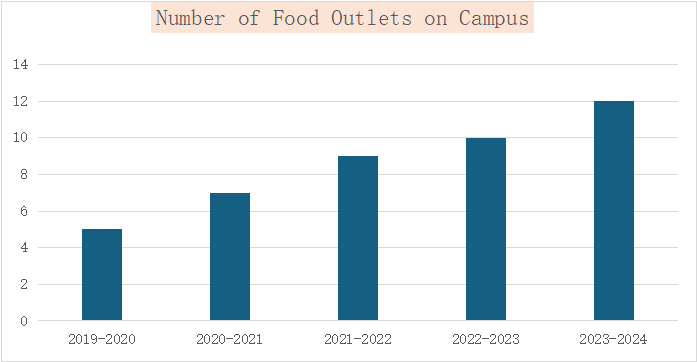
KL Deemed-to-be University ensures wide access to nutritious meals for all students through a significant number of food outlets providing affordable food on campus. These outlets play a crucial role in supporting food security for economically disadvantaged students and contribute directly to the university’s SDG 2 commitments.
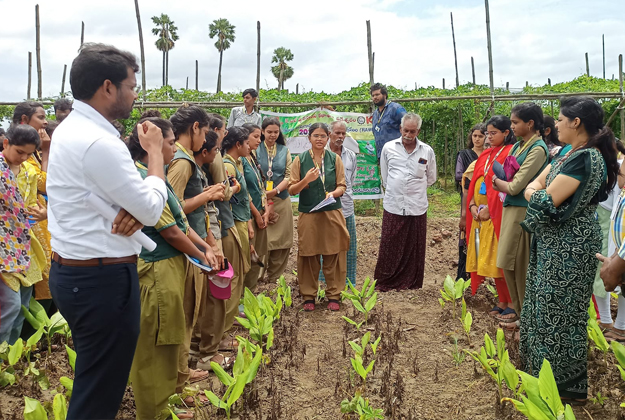
Agricultural students at KL University engage in hands-on food production as part of their academic curriculum, contributing to campus-grown seasonal crops. These practical sessions enhance understanding of sustainable agriculture, genetic resources for agriculture and climate-resilient farming while supplementing campus food supply chains. The university continues to expand its agricultural and aquaculture programs, monitoring the number of graduates completing sustainability-focused coursework and publishing annual reports that highlight progress. Through these programs, KL University contributes to strengthening future generations of professionals capable of improving food security and agricultural resilience.
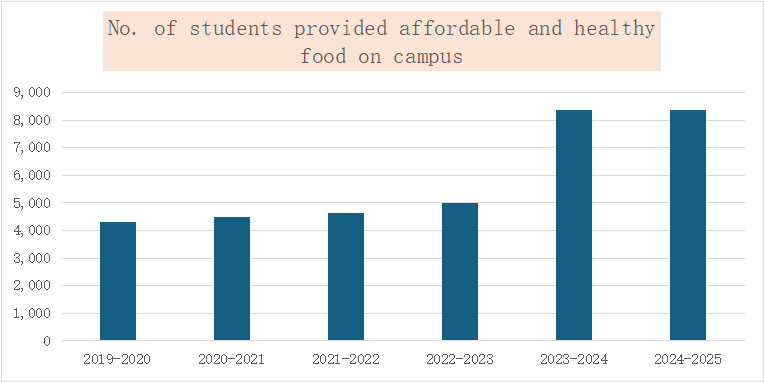
KL University provides sustainable, nutritious and affordable food choices across all dining facilities, offering vegetarian and vegan meals to support diverse dietary needs. Regular audits help ensure that healthy, balanced meals remain accessible for students and staff, while affordability is continuously reviewed to support economically disadvantaged groups. To address student hunger directly, the university is developing a structured food insecurity program that may include food banks, meal subsidies and emergency food support. Similar interventions are under consideration for low-income staff, such as meal vouchers and subsidised canteen access.
A substantial number of students at KL University are provided with affordable and healthy food on campus each year, ensuring that financial constraints do not become a barrier to nutrition. This provision supports the university’s goal of eliminating hunger and promoting student well-being.
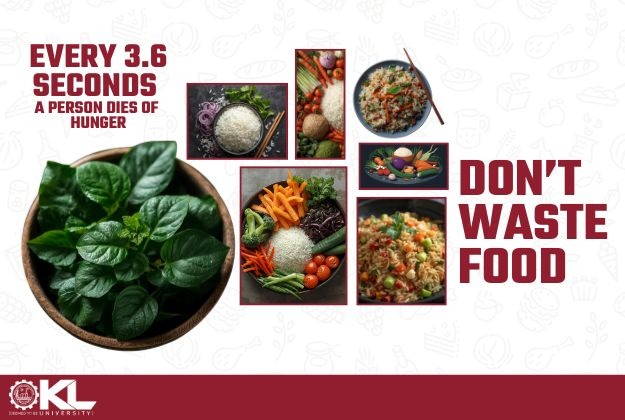
KL University actively monitors food waste generated in hostels and dining facilities, using campus population data to calculate per-capita waste benchmarks. Periodic data analysis helps identify waste patterns and supports strategies to reduce overall waste generation. The university emphasises pre-planning of meals based on academic calendars, holidays and expected hostel occupancy, thereby minimising unnecessary food processing during vacations and low-demand periods. Kitchen operations follow strong hygiene, organisation and management practices, reducing inefficiencies and ensuring food safety. Ongoing actions aim to further enhance food waste tracking systems and implement innovative solutions for waste minimisation.
KL University contributes to local food security by offering workshops, practical demonstrations and knowledge-sharing events for small-scale farmers. These initiatives promote productive and sustainable agriculture, supporting farmers in adopting climate-smart practices, improving soil management, enhancing crop productivity and accessing modern technologies. Plans are in place to formalise consistent farmer knowledge-transfer programs and increase the frequency of community events. The university is also exploring policies that allow selective access to laboratories, agricultural equipment and research facilities, helping farmers adopt improved farming techniques. In addition, KL University prioritises procurement from local, sustainable suppliers, reinforcing responsible consumption and supporting regional agricultural livelihoods.
Achieving Zero Hunger requires a holistic approach that addresses undernourishment, malnutrition, sustainable agriculture, investment gaps and food price instability. KL Deemed-to-be University demonstrates its commitment to SDG 2 through sustainable campus food systems, agricultural education, responsible procurement, waste reduction, community engagement and nutritional support programs for vulnerable groups. By strengthening both internal operations and external outreach, the university plays a vital role in promoting food security, enhancing resilience and contributing to global efforts to build a world free from hunger.