Sustainable Development Goals (SDG)

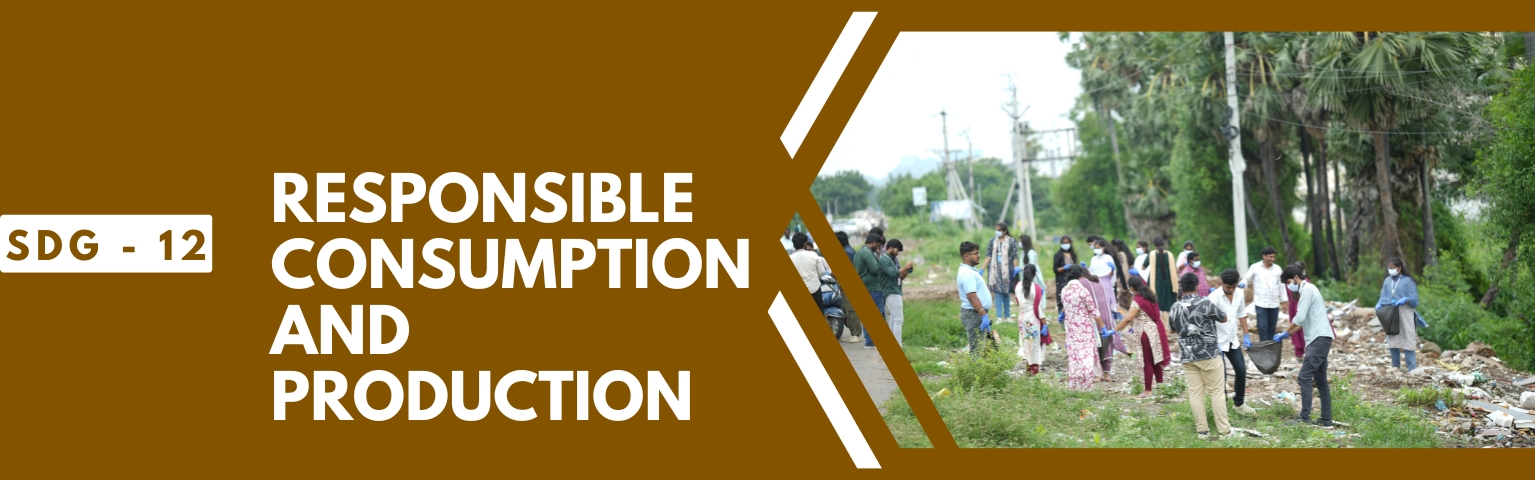
KL University continues to advance its commitment to responsible consumption and production by embracing a holistic, systems-based approach that aligns with global expectations for sustainability. As the world faces unprecedented levels of food waste, food loss and electronic waste, the University has accelerated its internal policies and programmes to reduce environmental pressures and encourage responsible use of natural resources. Increasing domestic material consumption and rising material footprints worldwide underscore the urgent need for action, and KL University’s proactive measures reflect an institutional intent to lead by example.
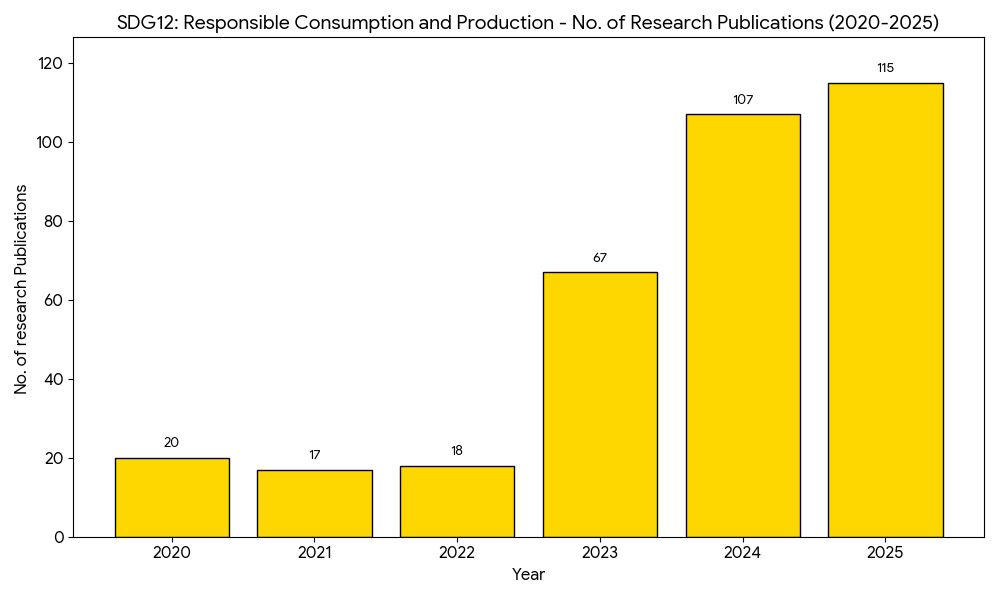
Additionally, KL University has produced a significant number of publications dedicated to SDG-12: Responsible Consumption and Production, demonstrating strong academic contribution to global sustainability research.
The University has embedded comprehensive programmes that promote sustainable consumption and production throughout campus operations, student life, research initiatives and community engagement. These programmes strengthen the sustainable use of natural resources, reinforce responsible behavioural patterns and contribute to reduced waste generation. In doing so, KL University aligns with rising global trends in corporate sustainable practices, sustainability reporting and responsible public procurement practices, which many governments and businesses are now prioritising.
A significant driver of progress globally is the expansion of sustainability-related policies. By 2024, 530 national policies were submitted by 71 countries, demonstrating strong commitment at the international level. KL University mirrors this momentum internally by continuously upgrading policies that support responsible procurement, waste reduction and sustainability education. These institutional efforts demonstrate the University’s readiness to contribute to regional and global sustainability goals.
One of the notable achievements of KL University is the strengthening of sustainable procurement practices. Eco-friendly materials are now procured for various operational areas, marking a shift toward more environmentally conscious purchasing. While progress is evident, the University acknowledges the need for a fully structured and comprehensive sustainable procurement policy.
Under the metric assessing sustainable procurement, KL University confirms that eco-friendly materials are indeed utilised. The proposed action focuses on formalising this into a university-wide policy supported by consistent monitoring. This will help ensure that procurement decisions consistently minimise environmental impacts while supporting circular economy principles.
The University has also made encouraging progress by promoting reusable utensils in dining areas. This advancement directly supports sustainable dining practices and reduces dependency on single-use plastics. The next step aims to completely phase out single-use plastics and introduce more plant-based food options, which will significantly reduce both waste generation and the environmental footprint of campus dining services.
In line with sustainable tourism monitoring practices, academic departments have integrated sustainability into curriculum components, helping students critically examine resource consumption patterns in tourism-related sectors. This supports greater sustainable development awareness across the institution.
Waste management is a crucial component of KL University’s sustainability framework. Segregation and recycling initiatives are already operational across campus, demonstrating compliance with global best practices. The metric measuring the implementation of waste management practices reflects positive results. The recommended action for the coming year focuses on expanding these segregation programs and introducing composting facilities for organic waste, particularly food waste generated in dining areas and hostels.
Food waste remains a global concern, with 1.05 billion metric tons wasted in 2022 internationally. Drawing from this global context, KL University is committed to reducing food waste and food losses by educating the student community on responsible consumption habits. Although the University does not yet employ a dedicated food waste measurement system, the campus has already implemented awareness messaging, portion-control sensitisation and sustainable dining guidelines. Movements such as plogging and clean-campus drives inspire behavioural change by encouraging individuals to integrate responsible practices into daily life.
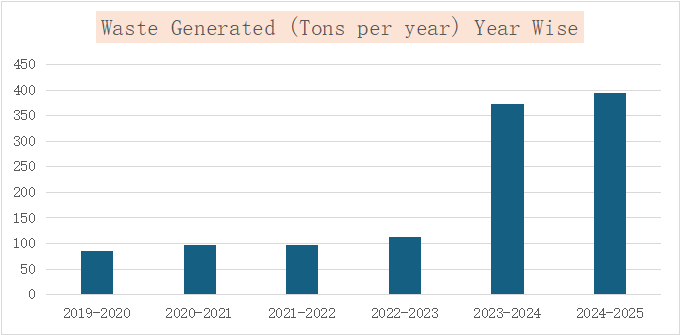
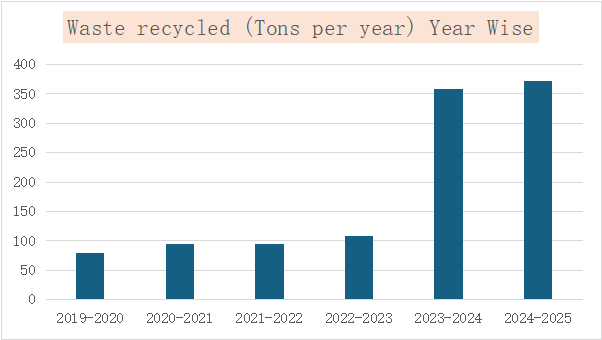
Chemical and hazardous waste management remains stringent across laboratories and research spaces. Staff and students follow protocols aligned with international guidelines, ensuring chemicals and specialised wastes are stored, handled and disposed of safely. This contributes directly to responsible management of chemicals and wastes, a key global sustainability challenge. The university tracks the improvement in waste segregation, recycling, and organic composting capacity over five years are displayed below.
The University generates a measurable quantity of waste annually, with Waste Generated (Tons per year) recorded and monitored as part of sustainability tracking.
Alongside this, the University also records Waste Recycled (Tons per year), demonstrating progress toward achieving a higher recycling rate and reducing landfill dependency.
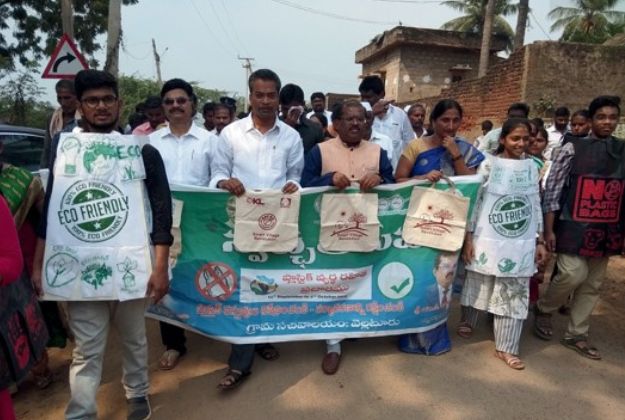
Awareness creation is central to achieving lasting behavioural change. KL University organises multiple campaigns each year to emphasise responsible consumption, waste minimisation, sharing culture and sustainable living practices. Under the metric evaluating awareness programs on responsible consumption, the University confirms the periodic organisation of campaigns. The recommended action is to increase their frequency and broaden engagement through partnerships with NGOs, municipal authorities and environmental organisations.
These initiatives deepen sustainable development awareness among students, academic staff and community partners. Workshops, seminars and student-led programmes encourage participants to rethink consumption patterns, reduce waste, and adopt environmentally conscious habits. As global consumption rises and material footprints expand, these awareness programmes form an essential foundation for long-term sustainability. The below chart shows progress in awareness campaigns, student reach, and external partner involvement.
Research on sustainability represents a cornerstone of KL University’s contribution to global transformation. The University is actively engaged in interdisciplinary research on sustainability topics, including circular economy models, waste minimisation technologies, natural resource optimisation and sustainable production systems. Under the metric assessing research on sustainable practices, KL University has confirmed ongoing research initiatives. The proposed action emphasises expanding research funding and encouraging interdisciplinary collaborations to strengthen support for R&D capacity for sustainable development.
Sustainability reporting is another critical aspect of institutional transparency. Although the University publishes sustainability reports, they are not issued at regular intervals. Addressing this shortfall is essential, as global trends indicate significant growth in sustainability reporting, particularly among the world’s largest corporations. The recommended action focuses on establishing a structured, annual sustainability reporting schedule supported by measurable indicators.
KL University acknowledges the importance of global discussions on resource inequalities, fossil fuel subsidies and environmental governance. While the University does not directly manage or influence fossil fuel subsidies, sustainability education on campus includes critical discussions on their environmental and economic implications. These academic engagements help students understand complex global systems and support them in becoming future leaders in sustainable development.
The University’s commitment to supporting and complying with global frameworks such as those concerning hazardous waste, chemicals and sustainable procurement reflect strong alignment with international climate and sustainability goals. This positions KL University as an institution that not only adheres to but actively contributes to global sustainability transformation.
KL University’s proactive engagement with sustainable consumption and production positions it as a forward-thinking institution ready to tackle global environmental challenges. Through strong procurement reforms, enhanced waste management systems, strengthened research capacity, expanded awareness programs and improved sustainability reporting, the University continues to build a resilient, resource-efficient and environmentally responsible campus ecosystem.
By implementing the recommended actions across all assessed metrics and strengthening alignment with global sustainability frameworks, KL University is well-positioned to serve as a model for responsible consumption and production, contributing meaningfully to SDG 12 and shaping the next generation of environmentally conscious leaders.