Sustainable Development Goals (SDG)

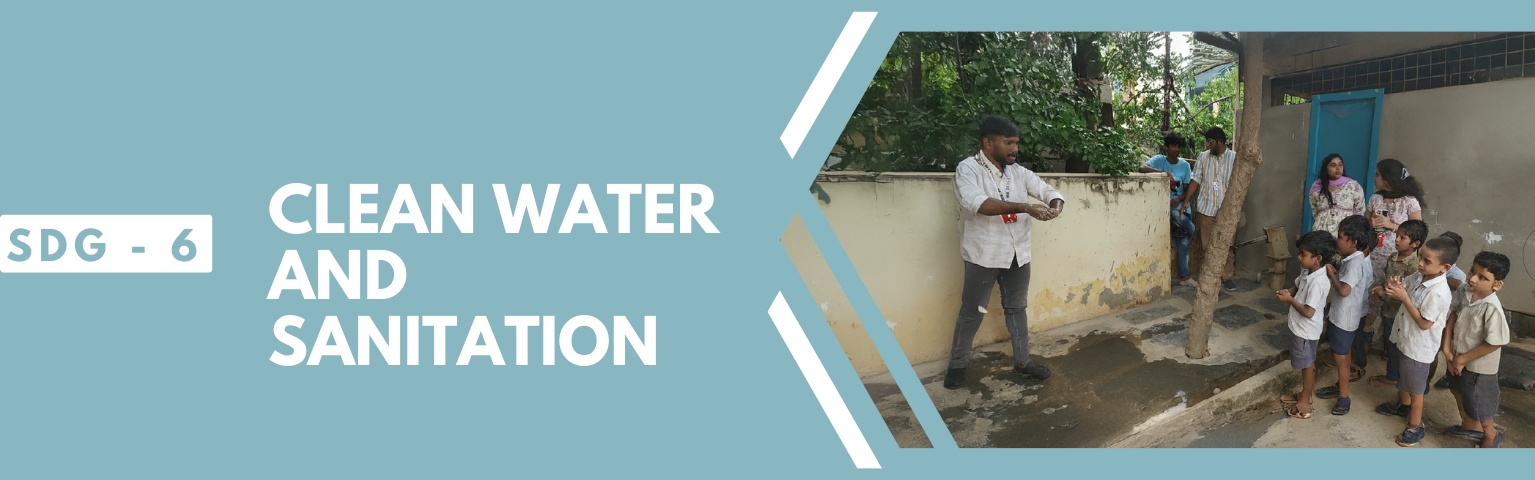
KL University remains deeply aligned with Goal 6, which seeks to ensure not only the availability of drinking water, sanitation and hygiene for all, but also long-term improvements to the quality and sustainability of water resources. Achieving this requires effective and integrated water resource management, strengthened sanitation systems, inclusive governance, active community involvement and continued cooperation with government bodies and national water authorities. The University actively incorporates these principles into its campus operations, infrastructure planning and outreach activities to promote a safe and sustainable environment for students, staff and visitors.
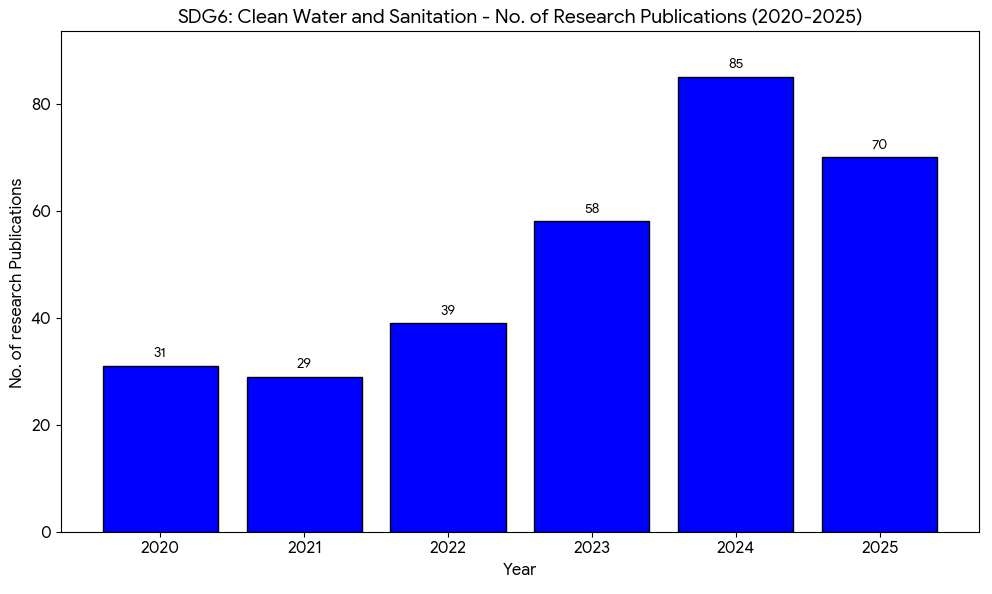
The University has also produced a significant number of publications related to SDG-6: Clean Water and Sanitation, contributing to knowledge creation and research-driven solutions.
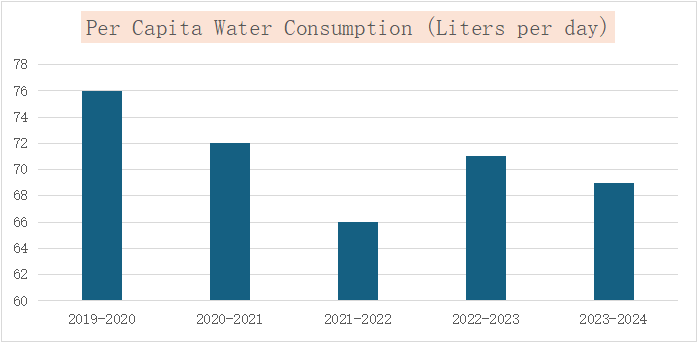
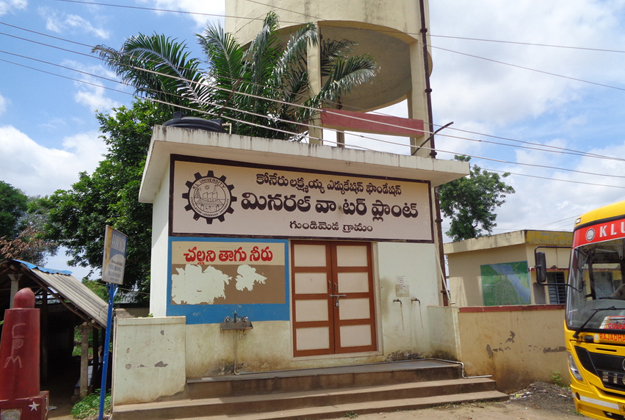
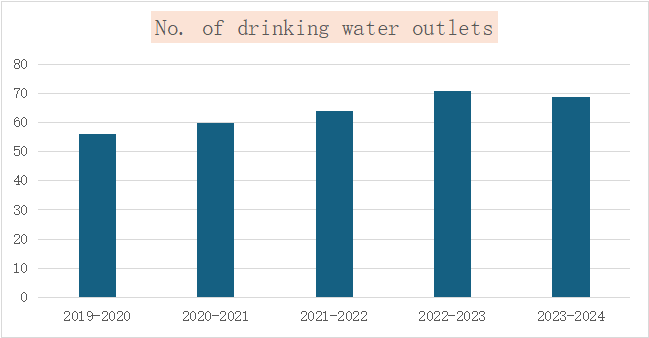
Access to safe drinking water is treated as a foundational campus requirement. KL University ensures that free purified drinking water is available across all academic buildings, hostels, laboratories and public areas, with continuous efforts to expand water stations wherever student and staff density increases. The University measures the total volume of water used across the campus and maintains a system of regular monitoring, allowing usage data to be documented and published for transparency and efficient resource planning. Water quality is tested frequently, and purification units are upgraded periodically to meet rising consumption and safety standards. This proactive approach reflects the University’s commitment to sustainability, health and accessibility for all campus users.
KL University provides safe, inclusive and well-maintained sanitation facilities, recognising that access to proper hygiene is essential for a healthy and dignified learning environment. All restrooms undergo routine maintenance and sanitation checks, while hand-washing stations and hygiene units are placed at major access points throughout the campus. New buildings and renovated blocks integrate environmentally sustainable design standards, ensuring minimal water wastage and maximum efficiency through advanced plumbing fixtures and sustainable construction materials. Frequent monitoring, coupled with aspirational green design in all capital projects, enables the University to maintain high sanitation standards consistently.
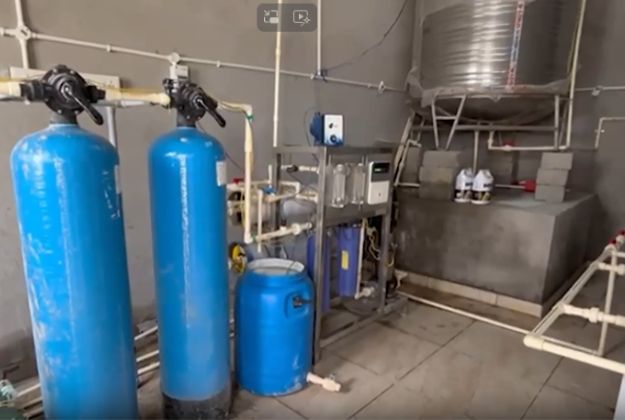
To protect both campus health and the surrounding environment, KL University ensures that all wastewater undergoes appropriate treatment before being released or reused. The University periodically upgrades its wastewater treatment facilities to meet evolving environmental norms and technological improvements. Additionally, mechanisms such as improved drainage systems, chemical-safe disposal protocols and emergency spill-response procedures reduce the risk of contaminated water entering the ecosystem. Continuous water-quality monitoring and laboratory testing support long-term ecological health and ensure responsible water management on campus.
KL University promotes water-use efficiency through innovative technologies and conservation-focused infrastructure. Low-flow fixtures, efficient plumbing systems, sensor-based taps and dual-flush toilets are integrated into newly constructed and renovated buildings, reducing overall consumption. Recycled water systems are used for gardening, and landscaping designs increasingly incorporate drought-tolerant plant species, significantly lowering irrigation needs. These efforts contribute to responsible resource use while maintaining a green and aesthetically appealing campus environment.
Even though KL University does not directly manage transboundary water bodies, it actively engages with state water agencies, municipal bodies and environmental authorities on matters related to water security, conservation and sustainable planning. Through research partnerships, joint awareness drives and policy consultations, the University contributes to regional initiatives aimed at strengthening water governance and improving community resilience. Such collaborations enhance the University’s role as an academic partner in broader water-security solutions.
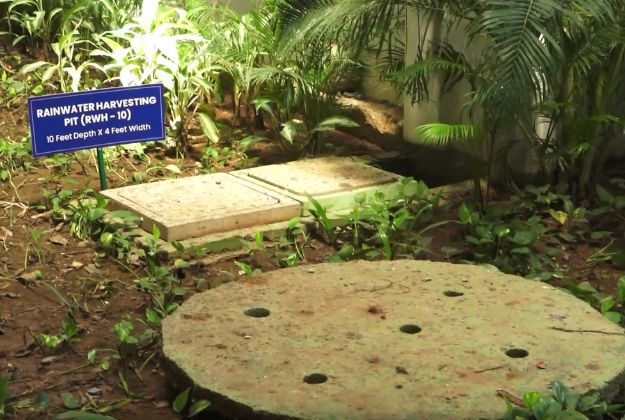
In alignment with Goal 6’s emphasis on ecological resilience, the University works to protect natural drainage channels, maintain green cover and promote biodiversity-friendly landscaping practices. Regular monitoring of campus water bodies, responsible wastewater management and the integration of eco-sensitive design ensure that water-related ecosystems are preserved and restored wherever necessary. These measures prevent environmental degradation and foster long-term sustainability.
KL University actively participates in national conferences, academic collaborations and sustainability networks focused on water conservation, sanitation and climate resilience. Faculty research contributes to policy discussions and technological innovation, while student groups engage in projects addressing real-world water challenges. This participation supports the University's commitment to strengthening international and national cooperation in water-related development. The University continues to contribute to SDG-6 through publications addressing water treatment technologies, sanitation solutions and sustainable water management practices.
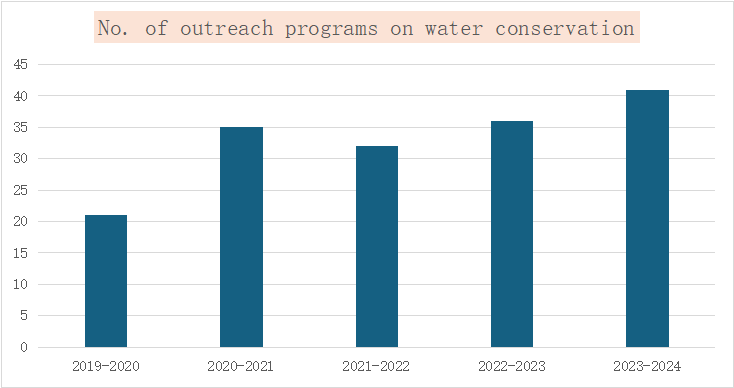
The University emphasises participatory management, involving students, staff and local communities in water-related awareness campaigns, training programmes and outreach activities. Through community education sessions, rural water audits, cleanliness drives and collaborative sanitation workshops, KL University helps enhance public understanding of sustainable water management. The campus also documents and improves its water-reuse practices, setting measurable targets and publishing data in annual sustainability reports. Such participatory approaches strengthen both on-campus and off-campus water conservation efforts.
Every new infrastructural project at KL University integrates principles of water conservation, sustainable architecture and efficient plumbing systems. These initiatives reflect a strong institutional commitment to environmental stewardship and responsible resource use, aligning with global sustainable development practices. Through continuous improvement and strategic planning, KL University’s infrastructure remains supportive of both present needs and future sustainability goals.
KL University’s ongoing initiatives reinforce its dedication to Goal 6: Clean Water and Sanitation, ensuring clean water accessibility, sustainable sanitation management and efficient water-use systems. By strengthening community engagement, enhancing monitoring mechanisms, collaborating with government bodies and upholding sustainable design standards, the University actively contributes to improved water governance and environmental well-being. KL University remains committed to fostering a healthy, safe and environmentally responsible campus that serves as a model for sustainable development in higher education.