Sustainable Development Goals (SDG)

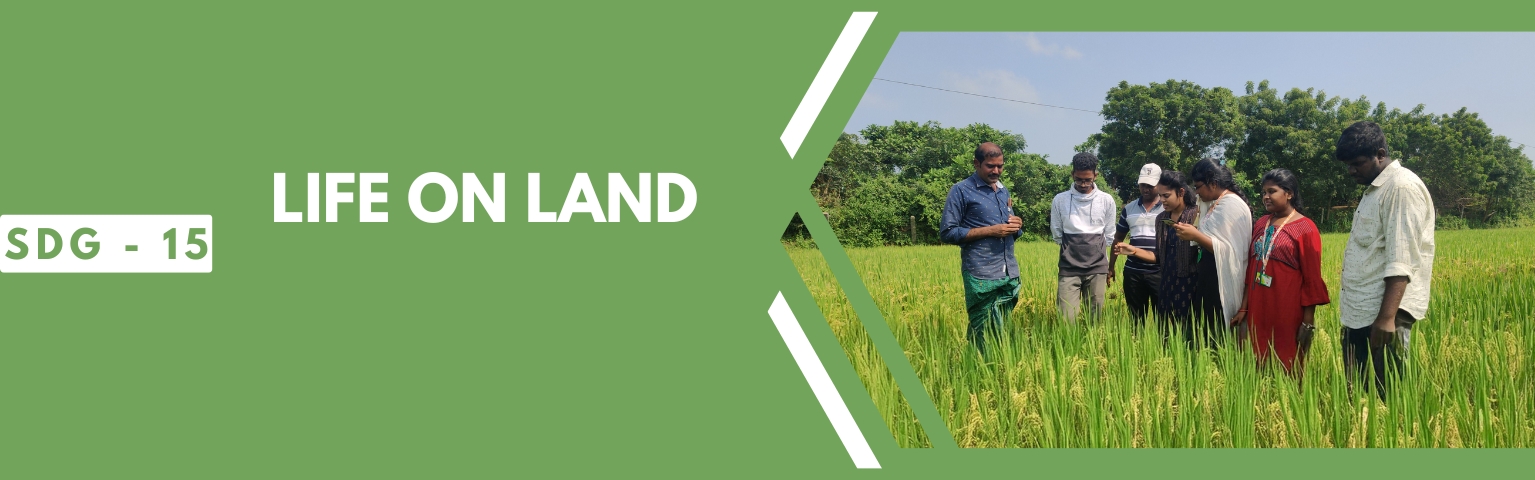
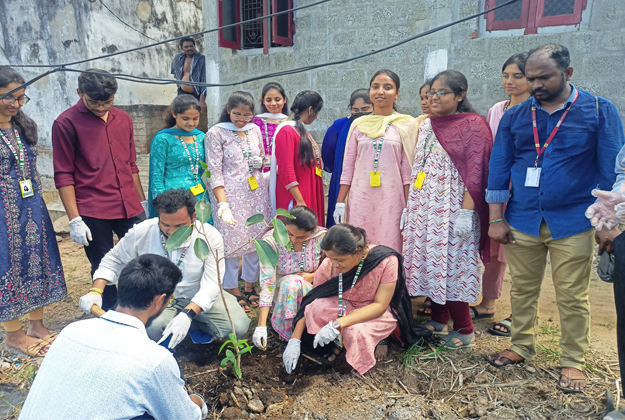
KL University has actively embraced the principles of sustainable forest management, committing to the protection and sustainable utilisation of forested areas within its campus and nearby regions. Understanding that forests are critical to maintaining terrestrial and freshwater ecosystems, the university has implemented a wide range of programs to prevent deforestation, promote afforestation, and restore degraded lands. Through tree plantation drives held on national environmental days, the university has planted thousands of trees, involving both students and local communities. These initiatives not only enhance campus greenery but also educate participants about the importance of sustainable forest management for climate mitigation, carbon sequestration, and biodiversity conservation. By integrating biodiversity and ecosystem values into campus planning, KL University ensures that land restoration projects contribute directly to the resilience and health of surrounding ecosystems.
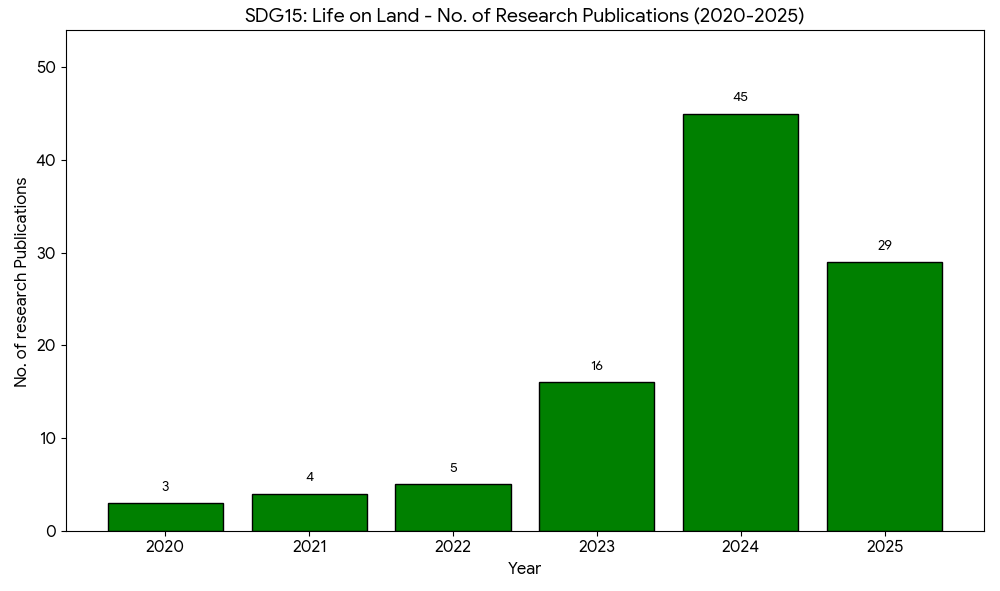
KL University also contributes significantly to SDG-15 through a growing number of research publications focused on land restoration, forest management, and terrestrial ecosystem conservation.
KL University places a strong emphasis on research on biodiversity conservation. A dedicated team of faculty and students works on identifying endangered species and monitoring the health of local flora and fauna. Research projects extend to protected species and efforts to counter protected species trafficking, ensuring that wildlife is safeguarded in line with global conservation standards. Additionally, the university hosts awareness programs for students and staff to understand the impact of human activity on biodiversity and the importance of conserving native species. These programs encourage active participation in biodiversity monitoring and advocacy, strengthening the university's role in protecting species and preventing loss of biodiversity. Through partnerships with NGOs, the university also engages in wildlife adoption programs and conservation training, reinforcing practical conservation skills among participants. The university maintains a substantial Landscaping Area (sqm), supporting ecological balance and campus biodiversity.
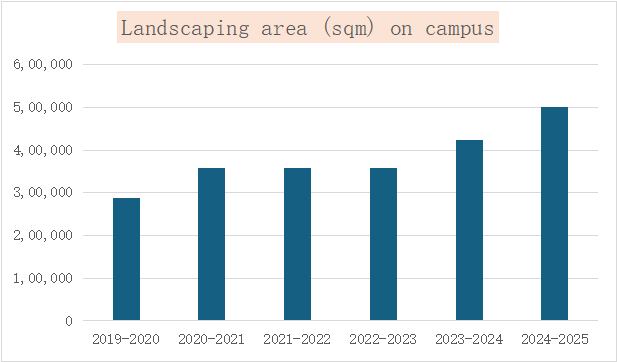
Recognising the global challenges of desertification and land degradation, KL University has implemented policies for sustainable land use with clear metrics for monitoring impact. Campus lands are managed to reduce soil erosion, enhance soil fertility, and maintain productivity, aligning with SDG 15 goals. By integrating sustainable land management practices into university operations and academic curricula, students gain hands-on experience in environmental stewardship. The university actively restores degraded plots through native tree and shrub planting, preventing further soil degradation and contributing to the wider goal of maintaining healthy terrestrial and freshwater ecosystems. These measures are essential not only for environmental sustainability but also for the long-term viability of agriculture and local livelihoods.
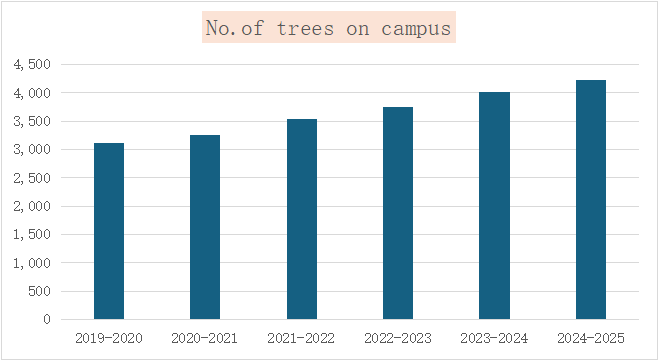
KL University has made significant strides in promoting sustainable land use and expanding greenery on campus through comprehensive tree plantation initiatives. Every year, the university organises planting drives that involve both students and staff, while also partnering with local communities to encourage environmental stewardship. These activities support biodiversity conservation, improve terrestrial and freshwater ecosystems, and reinforce the university’s commitment to combating desertification and land degradation. By educating participants on the importance of ecosystem services, the programs help students understand sustainable forest management and responsible utilisation of genetic resources. Plantation events are scheduled on special environmental days and include a mix of native and fruit-bearing species, enhancing habitats for local wildlife. Furthermore, the university tracks the growth and survival rates of planted trees, ensuring the effectiveness of restoration efforts.
The university documents its plantation initiatives and related research publications to strengthen SDG-15 reporting and impact. The campus-wide Number of Trees continues to increase annually, reflecting the success of its greening efforts.
KL University encourages sustainable agricultural practices through its organic farming programs, particularly in collaboration with its agricultural department. Students cultivate crops using natural fertilizers and eco-friendly techniques, producing organic products sold at affordable prices to university staff and students. This initiative demonstrates how universities can integrate practical sustainability into their curricula, promoting environmental stewardship while supporting local food systems. Additionally, these programs foster student awareness of biodiversity in national and local planning, showing how sustainable agriculture can maintain soil health, reduce pollution, and protect ecosystem services. Workshops and training sessions for students and nearby farmers ensure that knowledge of organic farming techniques is widely disseminated, contributing to the long-term sustainability of agricultural lands.
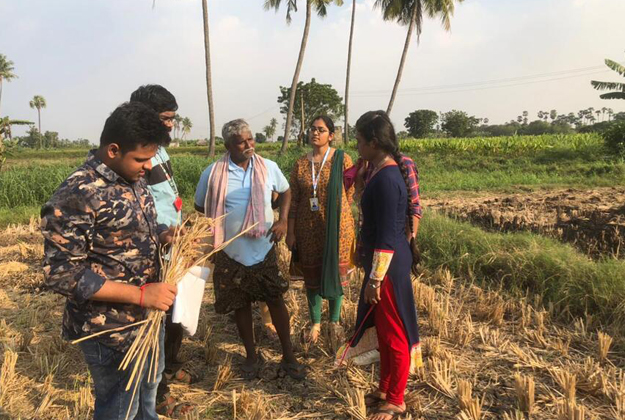
Education and awareness are central to KL University’s approach to SDG 15. The university regularly organises biodiversity awareness programs, inviting environmental experts and conservationists to engage with students and staff. These programs emphasise the importance of invasive alien species management, protecting protected species, and ensuring sustainable utilisation of genetic resources. Students learn how ecosystem disruption affects both local and global biodiversity and the importance of integrating conservation into planning processes. Through lectures, field trips, and participatory workshops, KL University fosters a culture of environmental responsibility, ensuring that graduates leave with a deep understanding of sustainable land management and biodiversity protection.
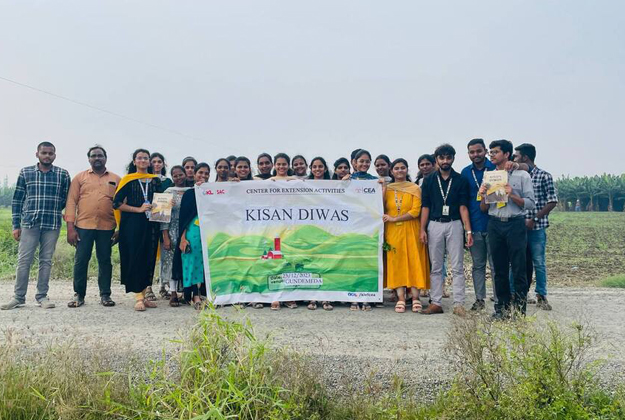
KL University actively supports wildlife conservation programs, partnering with NGOs and local wildlife agencies to promote practical conservation measures. Students and staff participate in habitat restoration, wildlife monitoring, and adoption programs that focus on endangered and threatened species. These initiatives provide experiential learning opportunities while contributing to the global fight against biodiversity loss and protected species trafficking. By involving the university community in hands-on conservation, KL University demonstrates its commitment to promoting ethical and effective biodiversity stewardship, ensuring that local ecosystems are preserved for future generations.
The university prioritises the integration of biodiversity in national and local planning within its operational and academic framework. Campus development projects undergo environmental assessments to ensure minimal impact on local habitats. Programs in environmental management emphasise ecosystem-based approaches and provide students with the skills needed to integrate biodiversity considerations into broader development projects. This approach aligns with global SDG 15 targets, ensuring that biodiversity values are embedded in decision-making processes. By coupling academic learning with practical initiatives such as tree plantations and organic farming, KL University strengthens its capacity to influence sustainable land-use planning and conservation practices in surrounding communities. These investments have also enabled the production of more SDG-15-related publications, reflecting the university’s commitment to scientific advancement.
KL University has allocated significant resources for biodiversity and ecosystems, ensuring that conservation and research projects receive sufficient funding and support. This includes resources for monitoring endangered species, restoring degraded lands, and managing forests sustainably. Funding also supports the maintenance of protected areas within and around the campus, contributing to both conservation and educational objectives. Investments in resources for forest management include tools, staff training, and monitoring systems that track the health and growth of plantations. These resource allocations demonstrate KL University’s holistic approach to sustainable land management, combining education, research, and practical action.
KL University recognises the importance of partnerships in achieving SDG 15 goals. The university collaborates with national and international conservation organisations to amplify its impact, sharing knowledge, research findings, and best practices. Community engagement programs encourage local residents to participate in tree plantation initiatives and organic farming, promoting environmental stewardship beyond campus boundaries. By fostering collaboration, KL University ensures that conservation efforts are inclusive and community-driven, directly contributing to the sustainable management of terrestrial and freshwater ecosystems and enhancing local biodiversity.
To ensure accountability, KL University has implemented robust monitoring systems to track the impact of its conservation and land management initiatives. The university regularly evaluates the success of biodiversity awareness programs, wildlife conservation efforts, and tree plantation initiatives. Data is collected on species health, forest cover, and community participation, providing measurable indicators of progress. This emphasis on monitoring aligns with global SDG 15 frameworks and helps guide improvements in conservation practices. By tracking and reporting outcomes, KL University demonstrates transparency and ensures that its environmental initiatives produce tangible benefits for ecosystems, biodiversity, and sustainable land use.
Monitoring outcomes are also compiled into publications that contribute to SDG-15 reporting and global sustainability knowledge.
KL University has made significant strides toward fulfilling SDG 15 by promoting sustainable forest management, combating desertification and land degradation, and actively conserving biodiversity. Through research, education, and community engagement, the university addresses key challenges such as loss of biodiversity, protected species trafficking, and the spread of invasive alien species. By integrating biodiversity in national and local planning, promoting organic farming, supporting wildlife conservation, and allocating resources for biodiversity and forest management, KL University exemplifies a holistic approach to environmental stewardship.
To further strengthen its impact, the university should continue to expand tree plantation initiatives, increase funding for biodiversity research, and enhance collaborations with conservation organisations. Increasing the frequency and diversity of biodiversity awareness programs and integrating sustainable land-use policies into all university operations will ensure that KL University remains a leader in promoting life on land and contributing meaningfully to global SDG 15 targets.