Sustainable Development Goals (SDG)

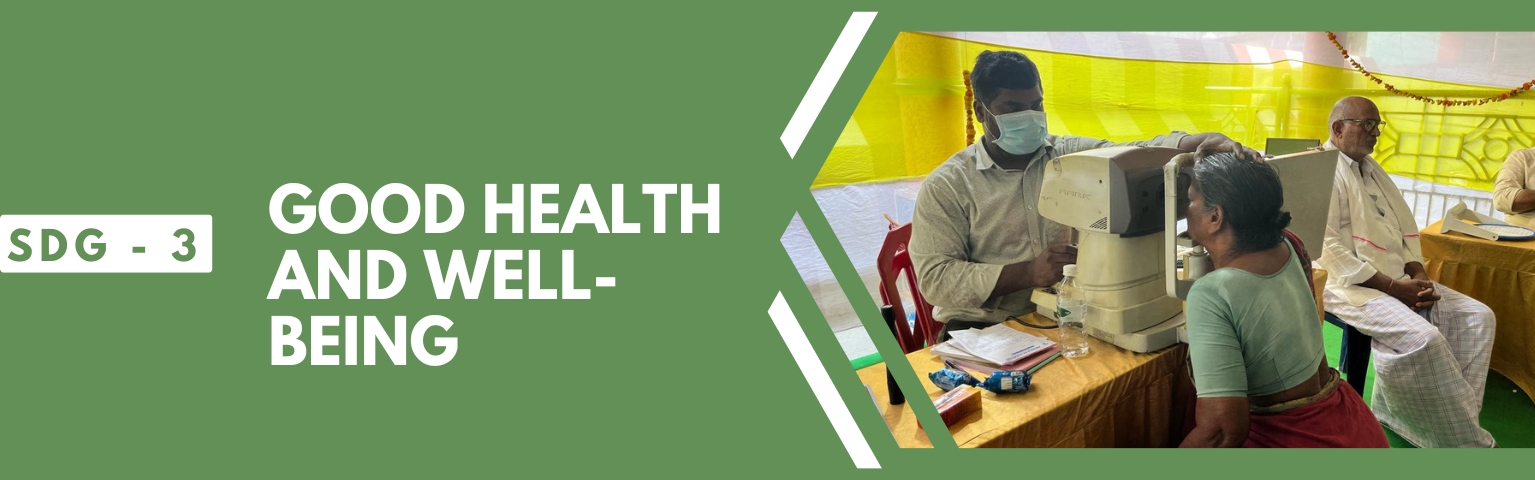
Goal 3 seeks to ensure health and wellbeing for everyone at all ages, emphasising access to safe, affordable and effective healthcare. To contribute to this global mandate, KL University has implemented comprehensive initiatives focused on universal access to sexual and reproductive health services, infectious disease prevention, non-communicable disease control, mental health promotion, and environmental health protection. The University remains committed to creating a safe and supportive campus environment while also working collaboratively with health institutions and the surrounding community.

The University has produced several research publications aligned with SDG-3: Good Health and Well-Being, with the number of research publications generated over the past five years demonstrating its strong academic contribution to global health.
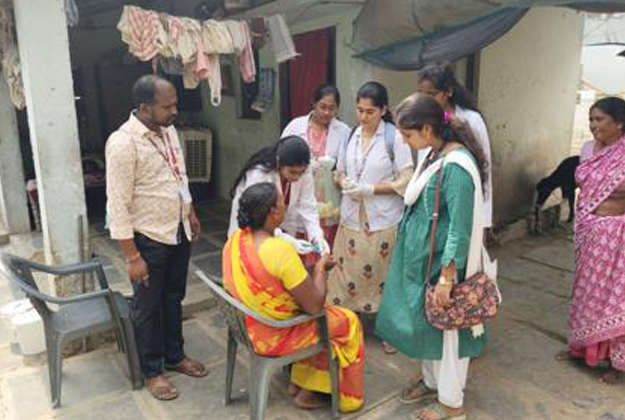
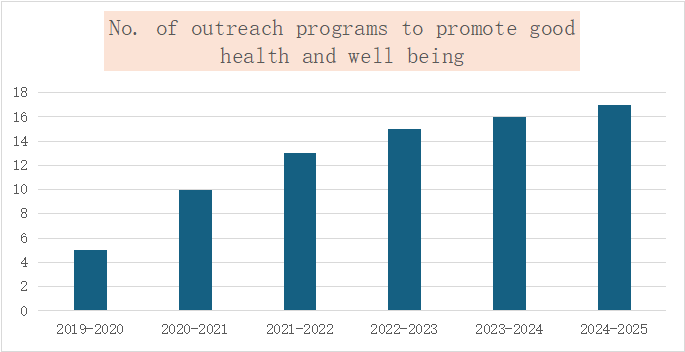
KL University actively promotes awareness on maternal mortality and child mortality by incorporating public health themes into outreach activities, including community health camps and mother-and-child wellness sessions conducted in partnership with local hospitals. These programs also include immunisation awareness drives, helping communities understand early childhood healthcare practices and the importance of routine vaccinations. By expanding the frequency and diversity of such outreach efforts, the University ensures that these critical messages reach a broader audience and contribute meaningfully to improved local health outcomes. No. of outreach programs to promote good health and well-being conducted by the University further strengthens its commitment to community health under SDG-3.
To address communicable diseases such as HIV, tuberculosis, malaria and other infectious illnesses, the University conducts regular awareness seminars, prevention workshops and disease-specific campaigns. Through strong collaboration with health institutions, KL University enables early detection, timely referral and improved health outcomes. These partnerships are continually strengthened and documented to ensure that joint initiatives align with evidence-based practices and contribute to long-term community health resilience.
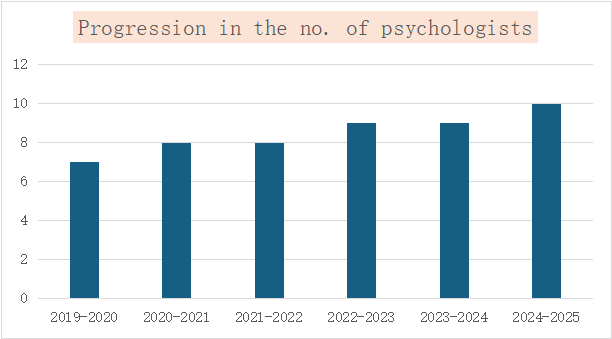
The University gives equal importance to tackling non-communicable diseases (NCDs), including diabetes, hypertension and other lifestyle-related disorders. Regular well-being programs are organised throughout the academic year, offering fitness sessions, yoga counselling, routine medical screenings and health awareness programmes. Mental health is recognised as a significant component of overall wellness, and KL University supports its students and staff through on-campus counselling centres, stress-management sessions, peer-support groups and guidance services. With the aim of making psychological support more accessible, the University actively promotes online counselling access and extended service hours while also fostering a healthy workplace culture through dedicated mental health initiatives for staff. No. of Psychologists supporting the staff and students ensures accessible mental health care across campus.
KL University maintains a strong stance against substance abuse. The campus enforces strict anti-substance regulations and conducts recurring awareness sessions on the physical, psychological and social impacts of drug and alcohol misuse. Efforts to reduce tobacco use are particularly emphasised due to its link to major NCDs and environmental pollution. The University upholds a comprehensive smoke-free campus policy with visible signages, strict monitoring and awareness campaigns highlighting the dangers of smoking and second-hand smoke.
Recognising the global rise in road traffic injuries, KL University has implemented strong safety measures within campus. Traffic rules are strictly monitored, safety workshops are conducted regularly, and students are encouraged to adopt safe road practices such as helmet usage and responsible driving. The University’s 24/7 ambulance service ensures quick emergency response, minimising delays in critical situations and improving overall campus safety.
Universal access to sexual and reproductive health services forms another essential component of the University’s SDG-3 efforts. KL University provides confidential guidance related to reproductive health, maternal wellbeing, contraception, menstrual hygiene, and HPV vaccination. Students have access to trained counsellors who provide reliable information and referrals to partnered hospitals for specialised reproductive care. Regular awareness campaigns enhance health literacy and ensure that students feel empowered to make informed decisions about their wellbeing.
KL University strengthens universal health coverage on campus by providing dispensaries in every block, ensuring immediate access to primary care. The availability of a 24/7 ambulance service, insurance and ESI coverage for staff and referral partnerships with community hospitals ensures that both students and employees receive affordable and timely healthcare. These services ensure that financial or logistical limitations do not hinder access to medical assistance.
Environmental health is strongly prioritised by the University, recognising the impact of pollution and hazardous waste on human wellbeing. KL University implements strict waste management procedures, safe handling and disposal of hazardous substances and routine sanitation drives. Drinking water is regularly tested for pH and TDS levels to ensure safety and cleanliness. Green buffering initiatives across campus help reduce pollution levels and create a healthier environment for all.
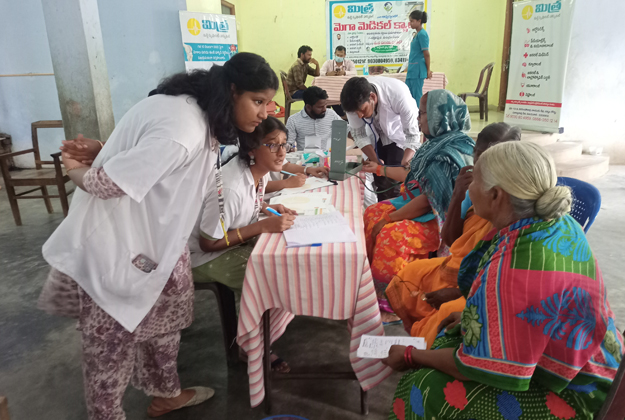
To strengthen immunisation coverage, KL University organises vaccination camps in collaboration with qualified healthcare providers. Immunisations offered include influenza, HPV and other essential vaccines recommended for adolescents and young adults. These camps also extend support to neighbouring communities, creating broader awareness and improving regional immunisation rates.
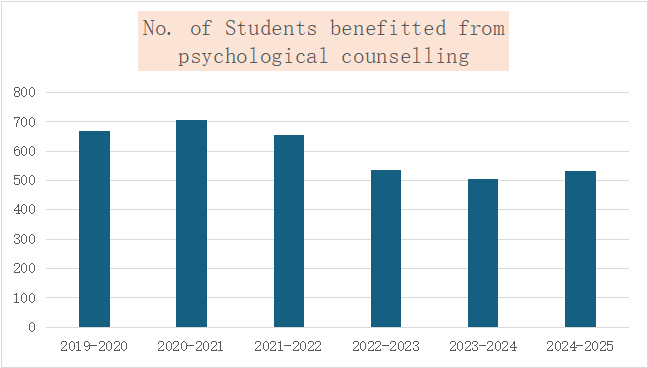
The University addresses global health workforce shortages by investing in capacity building. Through health sciences programs, first-aid training, emergency response workshops and infection control sessions, KL University equips students and staff with essential health competencies. These efforts build a strong future workforce capable of addressing diverse health challenges. No. of Students benefitted from psychological counselling reflects the University’s strong commitment to mental health and emotional wellbeing.
Effective management of health risks is ensured through established emergency response systems, hazard-management protocols and frequent inspections of laboratories and chemical storage units. Surveillance mechanisms help identify potential infectious disease threats early, and seasonal health advisories are circulated to prevent outbreaks. These proactive measures ensure preparedness and strengthen campus resilience.
KL University also acknowledges the importance of physical activity in maintaining good health. Sports facilities are made accessible to local communities through structured outreach initiatives, sports events and fitness programs. These efforts promote community engagement and enable people of all ages to adopt healthier lifestyles.
In conclusion, KL University demonstrates a strong and holistic commitment to SDG-3 by ensuring access to essential healthcare services, promoting mental and physical wellbeing, preventing disease, and maintaining a safe and healthy environment. By integrating health promotion into academic and community engagement activities, enhancing collaborations with medical institutions and upholding strong health-focused policies, the University actively contributes to building a healthier, more resilient and inclusive society.