Sustainable Development Goals (SDG)

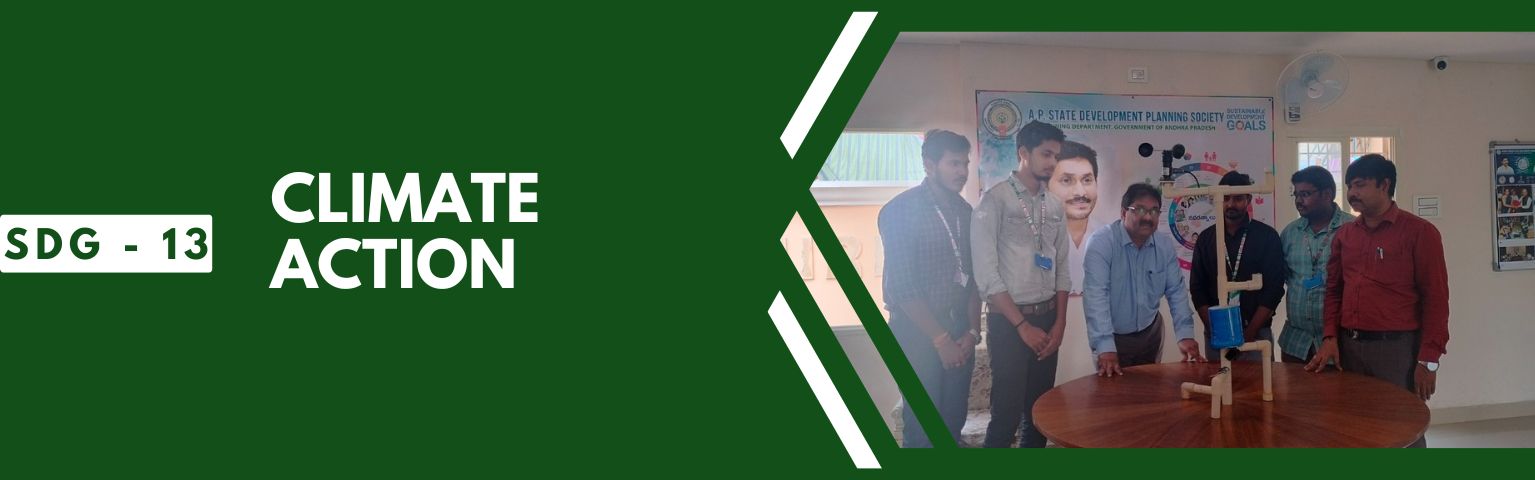
Climate change continues to be the defining challenge of this generation, and KL University has embraced its role in combating its effects through ambitious action, scientific innovation, and community-driven resilience initiatives. In line with global priorities, the university has strengthened its commitments to mitigation, adaptation, climate education, and long-term sustainability. KL University’s climate action framework is strongly aligned with SDG 13, emphasising resilience and adaptive capacity, climate change policies, climate change awareness, UNFCCC commitments, and comprehensive climate change planning and management. The institution’s proactive approach positions it as a leader in higher-education-based climate responsibility.
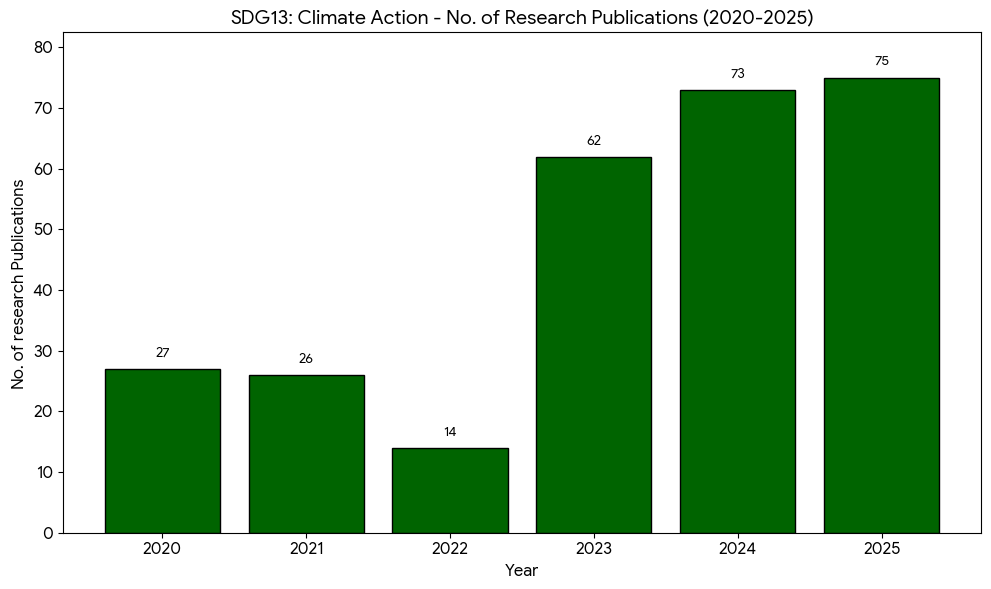
KL University has also produced a significant number of publications under SDG-13: Climate Action, contributing extensively to global climate research and knowledge dissemination.
The past decade has witnessed the intensification of climate-related hazards, from extreme heat to erratic rainfall patterns. Recognising the increasing climate vulnerability of the region, KL University has adopted a multi-dimensional strategy to reinforce resilience and adaptive capacity across campus operations. Central to this approach is strengthening disaster preparedness, including the development of institution-wide protocols to manage extreme weather events, infrastructural risks, and environmental disturbances. Through regular on-campus emergency drills, climate-responsive infrastructure upgrades, and early-warning communication systems, the university is actively working to reduce exposure to climate-induced risks and to protect students, staff, and local communities.
Research remains one of the strongest pillars of KL University’s climate action efforts. In alignment with the metric “Does your university conduct research on climate change?”, the university continues to lead ongoing research projects focusing on renewable energy, carbon mitigation, sustainable materials, and climate modelling. These initiatives align with the action to expand interdisciplinary research collaborations on climate resilience, integrating engineering, environmental science, agricultural innovation, and data analytics. Faculty-led climate research centres are developing viable solutions for solar power optimisation, low-emission campus mobility, and climate-resilient agricultural practices. Through national and international collaborations, KL University contributes meaningfully to the scientific community’s understanding of climate dynamics and helps generate knowledge that can influence broader policy formulation.
KL University’s academic contributions include an expanding publication portfolio in areas such as renewable energy systems, carbon footprint reduction, and climate modelling.
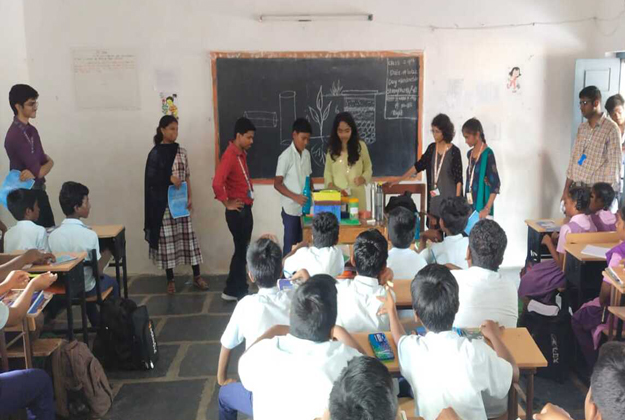
Awareness and education are central to behavioural transformation, and KL University champions this through year-round climate change awareness programs. These initiatives respond directly to the metric “Does your university organise climate awareness programs?” and the associated action to increase the frequency and diversity of programs involving students, staff, and the community. Workshops, campaigns, seminars, interactive exhibitions, and guest lectures ensure that climate literacy remains a key component of student development. The university also conducts climate-themed competitions, environmental film screenings, and sustainability fests that broaden public understanding of climate risks. By involving local schools, NGOs, and community groups, the university extends its influence beyond campus, contributing to broader societal transformation.
A strong policy framework is necessary for sustained climate action, and KL University has taken significant steps toward institutionalising its environmental commitments. In line with the metric “Does your university have a climate action policy?”, the institution has developed and implemented a comprehensive climate action policy with measurable goals covering carbon reduction, green procurement, energy conservation, and waste management. As part of climate change planning and management, the policy includes structured monitoring mechanisms, annual climate audits, sustainability reporting, and a clear roadmap for achieving long-term emission reductions. These governance structures embed climate responsibility into every layer of the university’s administrative and academic ecosystem.
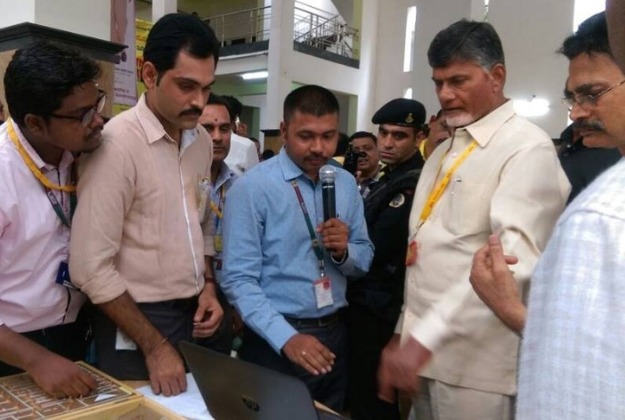
Recognising the importance of international cooperation, KL University actively participates in global climate initiatives, fulfilling the metric “Does your university participate in global climate initiatives?”. Aligning with the action to join international initiatives such as UNFCCC or the Global Climate Action Summit, the university regularly engages in global discussions, student exchange programs on climate studies, and collaborative sustainability projects. KL University’s commitment to UNFCCC principles has strengthened its research visibility, enhanced student opportunities, and facilitated partnerships that build institutional capacity for climate adaptation and innovative mitigation practices.
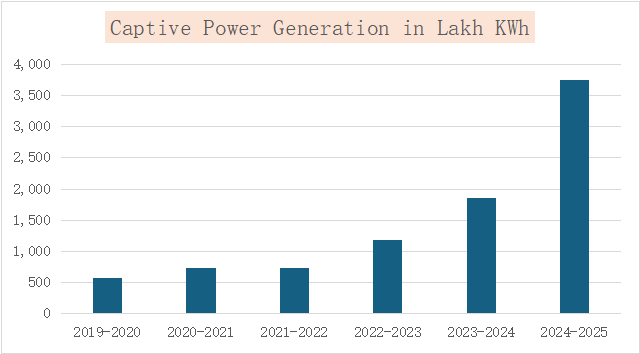
Energy transformation remains one of the most effective climate mitigation strategies. In accordance with the metric “Does your university use renewable energy?” and its action to expand renewable energy use across all campuses and monitor energy savings, KL University continues to scale up its renewable energy infrastructure. Solar rooftop systems are now a core feature of campus energy planning, contributing substantially to reducing dependency on non-renewable sources. Energy-efficient lighting, smart meters, and power-saving protocols further enhance the university’s ability to track and reduce carbon emissions. Annual sustainability assessments show measurable and consistent energy savings, supporting the university’s long-term climate neutrality goals.
KL University recognises tree plantation as a critical tool for carbon sequestration, campus biodiversity enhancement, and ecosystem restoration. Addressing the metric “Does your university support tree plantation drives?” and the action to increase the frequency of tree plantation programs and monitor their impact on the ecosystem, the university conducts large-scale plantation drives during monsoon seasons and on key environmental observance days. Native species are prioritised to support local biodiversity, and survival-rate monitoring ensures sustainable growth of planted trees. Student-led environmental clubs play a major role, nurturing saplings, expanding green areas, and improving campus microclimate conditions.
Aligned with global educational commitments, KL University integrates sustainability and climate change concepts across academic programs to reinforce environmental responsibility. Departments now incorporate climate science, climate economics, adaptation strategies, and disaster risk management into coursework and project-based learning. Capacity-building activities focus on strengthening institutional and human capability for mitigation, impact reduction, early warning, and adaptation to climate change, aligning perfectly with SDG 13’s key actions. Faculty development programs and interdisciplinary seminars equip educators with the knowledge needed to teach evolving climate concepts effectively.
KL University’s climate action journey reflects a strong commitment to shaping a resilient and sustainable future. Through its integration of policies, education, research, global partnerships, renewable energy expansion, and community engagement, the university has positioned itself as a model institution advancing SDG 13. As climate threats continue to intensify worldwide, KL University remains dedicated to scaling its efforts, strengthening its adaptive capacity, and preparing future generations to lead with responsibility, innovation, and environmental consciousness.