Sustainable Development Goals (SDG)

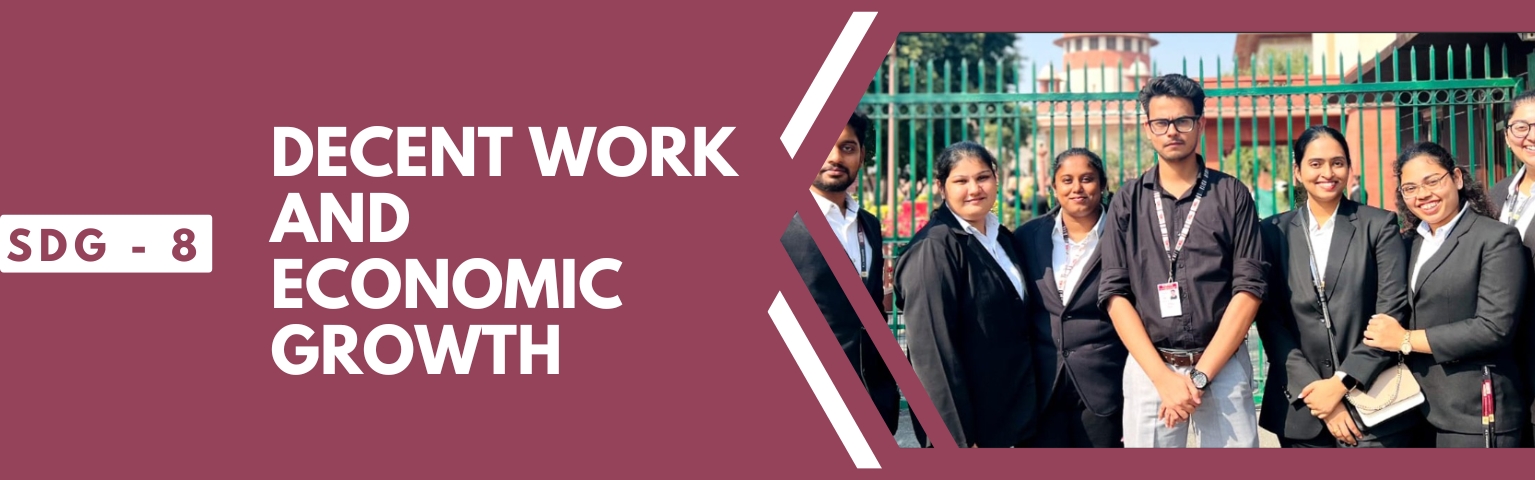
Global economic growth is projected to slow to 1.5% in 2025 due to trade tensions and policy uncertainty, while unemployment rates remain uneven, with informal employment and weak labour rights compliance posing challenges. KL University recognises the importance of fostering economic growth internally while ensuring that such growth supports equity, sustainability, and resilience rather than being driven solely by institutional expansion. By critically querying the role of economic growth, the University has aligned employment, training, and regulation policies with its equity and access strategies, ensuring that all faculty, staff, and students benefit from stable opportunities. Institutional strategies emphasise inclusive development, allowing KL University to contribute to a more resilient local and regional economy.
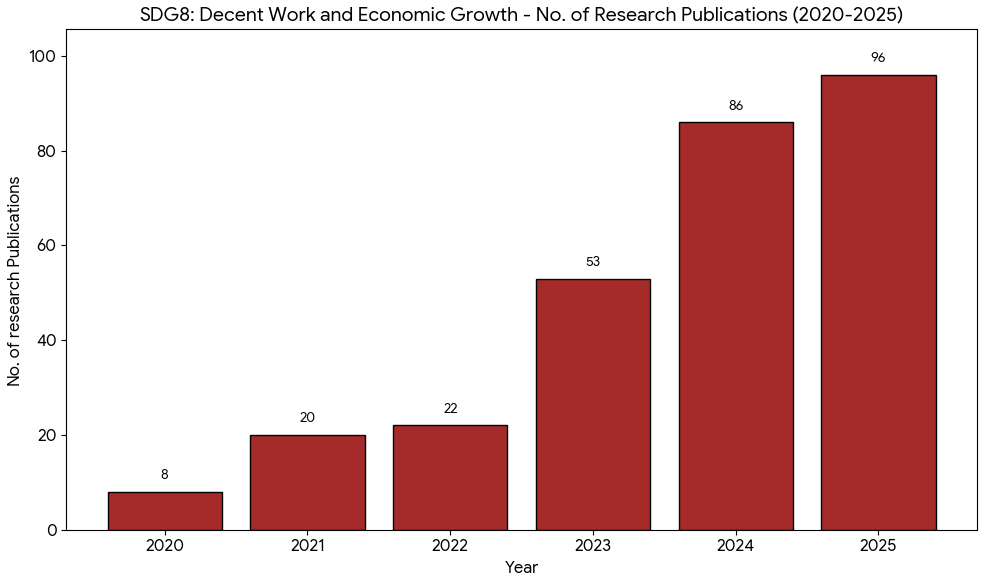
The University has produced a significant number of publications related to SDG-8: Decent Work and Economic Growth, contributing to global research and policy development in labour rights, employment trends, and sustainable economic systems.
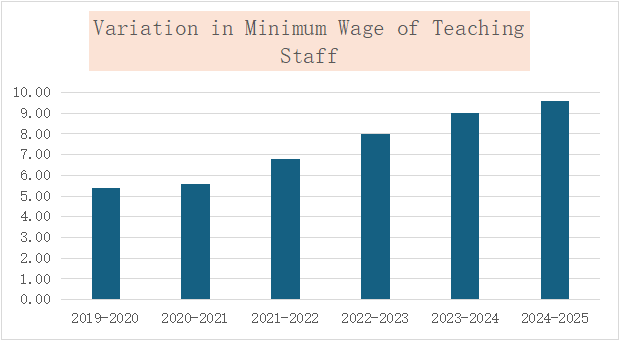
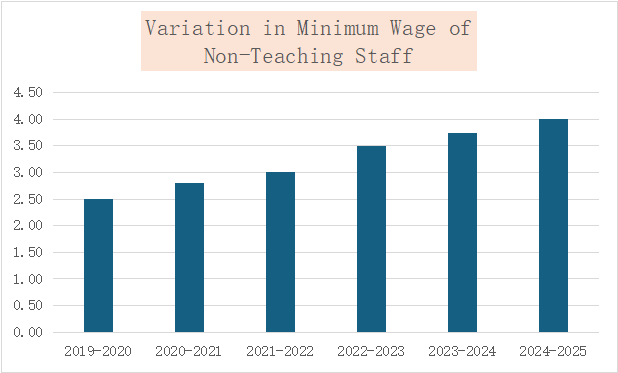
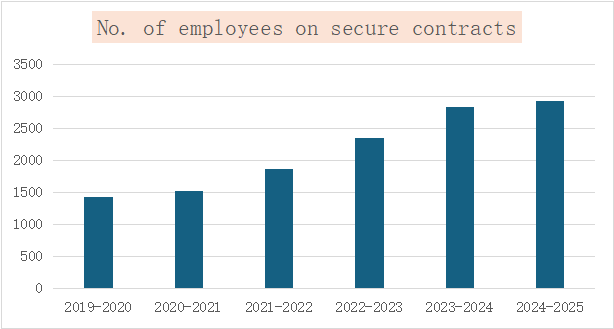
KL University is committed to ensuring full employment and decent work for all staff, reflecting global efforts to reduce informal employment, which currently affects over half of workers worldwide. The University maintains fair contracts, structured benefits, and a safe working environment, emphasising protection for women, migrant employees, and contractual personnel. Regular employee satisfaction surveys are conducted to proactively address gaps in workforce well-being, and continuous monitoring of employment outcomes and workload management ensures a fair, transparent, and equitable environment. Non-discrimination is enforced across all departments, with policies reviewed regularly to address emerging workplace issues, reinforcing labour rights and fostering a campus culture rooted in dignity and equal opportunity.
Equitable access to financial services and education is critical for fostering economic security and sustainable development. KL University provides targeted scholarships and financial assistance schemes to ensure no student is excluded due to economic constraints. Digital finance literacy sessions, banking awareness programmes, and entrepreneurship funding initiatives allow students to participate meaningfully in economic activity while fostering inclusive economic opportunities. The University also ensures that institutional investments, including capital mobilisation and bonds, are environmentally and socially responsible, issuing only green bonds where required, thereby aligning financial operations with sustainable development principles.
Global labour productivity growth remains below pre-pandemic levels, highlighting the need for innovation-driven skills. KL University has created an ecosystem that nurtures creativity, research, and entrepreneurship through incubation centres, innovation labs, and student-led ventures. The University supports risk-taking and provides structured processes for ideas to flourish, thereby enhancing institutional productivity and preparing graduates for dynamic, globalised markets. Formalisation pathways are provided for student start-ups and local SMEs, promoting structured documentation, legal compliance, and financial transparency. By supporting entrepreneurship and innovation, KL University contributes directly to sustainable economic productivity while addressing informality and improving job quality.
Recognising the decline in global compliance with labour rights, KL University emphasises ethical employment practices across campus operations and partnerships. Staff and student awareness programmes on workplace ethics, grievance redressal, anti-harassment protocols, and responsible business practices are implemented consistently. Collaborations with external stakeholders ensure that institutional vendors, contractors, and SMEs comply with ethical standards, preventing child and forced labour. These initiatives reinforce a culture of respect for labour rights and provide a model for ethical practices that extend into the surrounding community.
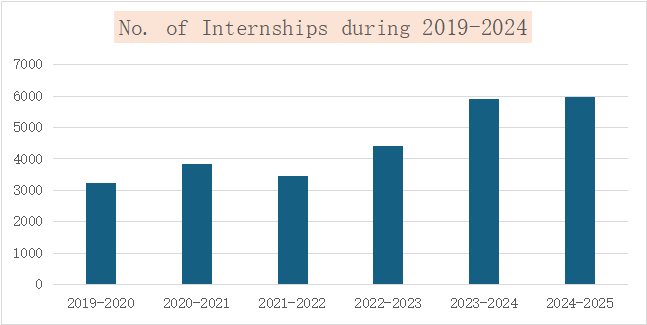
Youth unemployment and NEET rates remain significant globally, with 259 million young people outside education, employment, or training in 2024. KL University addresses these challenges through a comprehensive strategy for youth employment, integrating certifications in emerging technologies, internships, skill-based training, and entrepreneurship programmes. Graduate employability is enhanced through strong industry partnerships, mentorship, and placement support, allowing students to transition into formal labour markets successfully. These interventions ensure that students are well-equipped to navigate global employment challenges, particularly in regions where youth and women historically face high NEET rates. Through these measures, KL University contributes to sustainable pathways for young professionals, emphasising equity, skill development, and practical experience.
KL University integrates material resource efficiency and sustainable procurement into its operational strategy. Socially and environmentally responsible procurement policies are applied across supply chains to minimise waste and promote ethical sourcing. The University regularly evaluates its contribution to local economic development, capturing employment generation, entrepreneurial support, and community engagement in annual impact reports. Strategic partnerships with local industries, formalised through long-term agreements, strengthen skills pipelines, promote knowledge exchange, and support regional economic ecosystems. These initiatives are aligned with the principles of Aid for Trade, fostering inclusive growth while simultaneously building institutional and local economic resilience.
Acknowledging the global economic contribution of tourism, KL University has incorporated sustainable tourism into academic programmes and community initiatives. Eco-campus tourism, heritage documentation, and student-led rural tourism projects generate local income while promoting environmental conservation and cultural awareness. These efforts create employment opportunities, strengthen the regional economy, and support sustainable development goals, demonstrating how academic institutions can be catalysts for community-based economic growth.
KL University’s approach to SDG 8 exemplifies a holistic commitment to decent work, economic growth, and productivity. By fostering equitable employment, supporting youth employability, protecting labour rights, promoting innovation, and engaging in sustainable financial and procurement practices, the University ensures that institutional development aligns with global SDG targets. Through inclusive policies, capacity-building programmes, and community engagement, KL University not only enhances the welfare of its own workforce and students but also contributes to local and regional economic resilience.