Sustainable Development Goals (SDG)

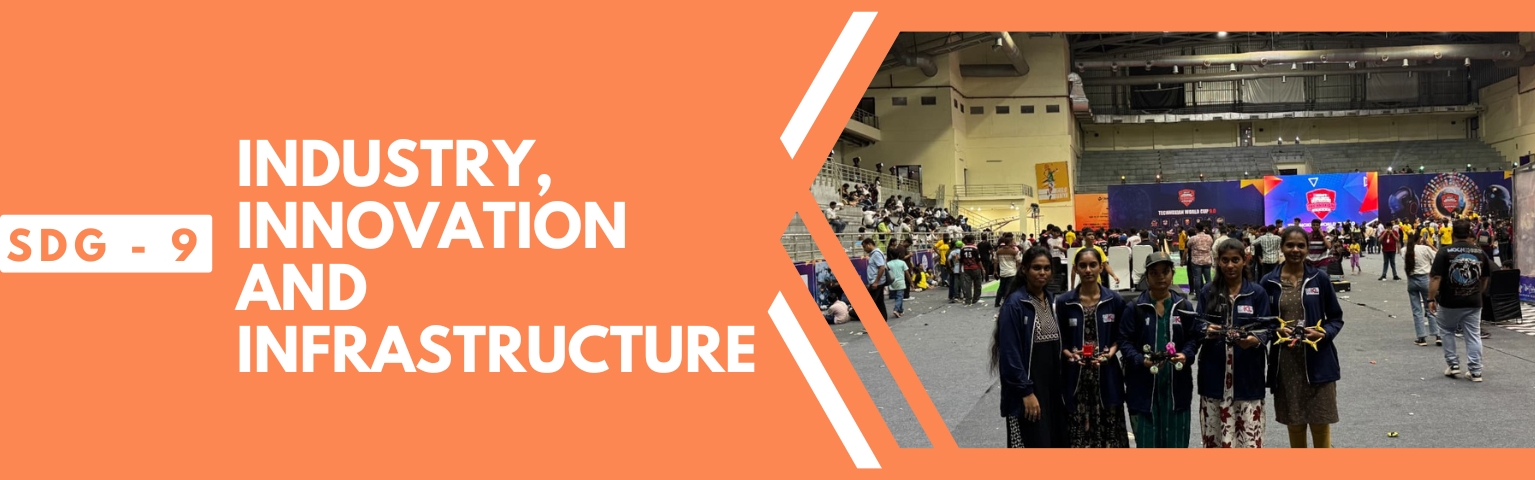
Goal 9 encompasses infrastructure development, industrialisation, and innovation, aiming to ensure quality, reliable, inclusive, sustainable, and resilient infrastructure. KL University is committed to strengthening campus infrastructure while promoting environmental responsibility and well-being. The University has increased the share of green-certified infrastructure across campus, retrofitting existing buildings to improve resource efficiency and integrating clean and environmentally sound technologies. New facilities are designed with sustainability and resilience in mind, reducing carbon footprint and supporting long-term campus growth. Through the continuous upgrade of digital infrastructure, including high-speed Internet and next-generation technologies such as 5G, KL University ensures reliable access to ICT and fosters a connected campus community that enables innovation, learning, and research.

The University has produced a significant number of publications related to SDG-9: Industry, Innovation, and Infrastructure, strengthening global research on sustainable technologies, innovation ecosystems, and resilient infrastructure.
KL University recognises the importance of sustainable and inclusive industrialisation as a driver of economic development and innovation. To support this, the University engages with local and regional small-scale industries, facilitating access to finance, mentoring, and business development support. By guiding startups and community enterprises toward structured documentation, legal compliance, and sustainable production practices, KL University strengthens regional industrial ecosystems. Incubation centres and mentorship programmes provide technical and managerial guidance, fostering the growth of sustainable and clean industries and supporting ventures that integrate environmental and social responsibility. These initiatives ensure that the University contributes to inclusive industrialisation while bridging the gap between academic knowledge and practical industrial application.
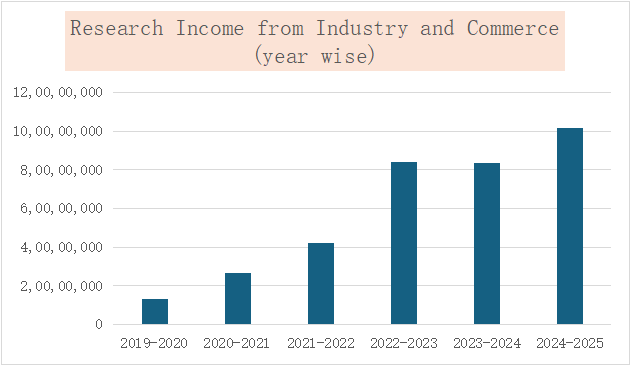
Global trends indicate that investment in research and development (R&D) is critical for industrial competitiveness, technology adoption, and innovation. KL University actively supports domestic technology development by funding high-impact research projects, promoting patents, and incentivising faculty and students to explore applied scientific solutions. Collaborative projects with industry partners in emerging sectors, including renewable energy, artificial intelligence, and sustainable manufacturing, expand innovation pipelines and accelerate technology transfer. The University also promotes sustainable research practices through workshops, awareness programmes, and incentives for environmentally responsible initiatives, ensuring that research outputs align with SDG 9 objectives and global sustainability standards.
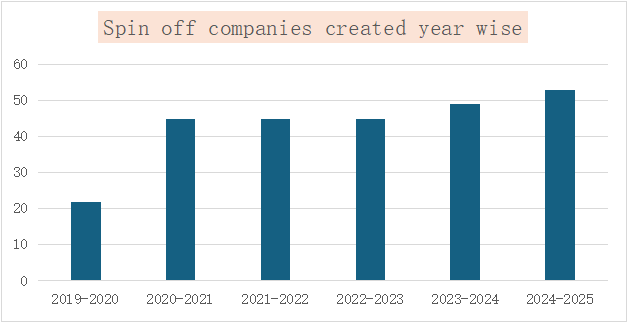
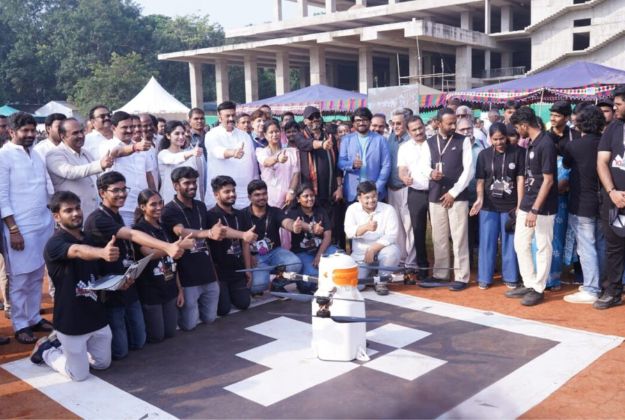
Innovation is central to achieving SDG 9 targets, and KL University fosters a culture that encourages creativity and experimentation. The University provides enhanced facilities, mentorship, and technical support to student and faculty-led startups, promoting a vibrant ecosystem for entrepreneurship. By offering incubation support and expanding programmes for skill development, KL University empowers innovators to pilot new solutions for campus operations, regional challenges, and industrial applications. Additionally, the University ensures that entrepreneurship initiatives incorporate sustainable business models, bridging technological advances with social and environmental considerations. These efforts not only increase the economic impact of research but also promote the creation of new, sustainable industries aligned with global innovation trends.
The University continues to publish impactful research aligned with SDG-9, focusing on innovation, industrial development, technology adoption, and sustainable infrastructure solutions.
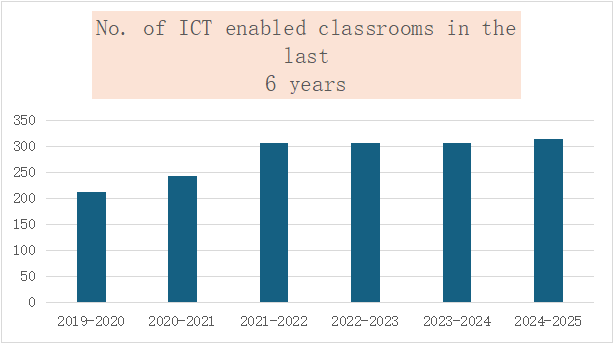
Reliable access to ICT and Internet services is essential for innovation, research, and education. KL University invests continuously in digital infrastructure, ensuring that high-speed broadband and emerging technologies like 5G are accessible to all students, faculty, and staff. Digital classrooms, research labs, and administrative systems are regularly upgraded to enhance operational efficiency and connectivity. Additionally, the University extends technical skill development programmes to the local community, bridging digital and technology skill gaps and promoting inclusive access to modern ICT tools. These measures help reduce disparities in technology access while creating an environment conducive to innovation, digital learning, and research-led industrial collaboration.
In line with global industrial sustainability targets, KL University integrates environmentally responsible practices across campus operations. Retrofits and energy-efficient building designs reduce material and energy consumption, while renewable energy installations and green building certifications enhance sustainability. Transportation initiatives prioritise low-emission vehicles and smart logistics for campus operations, contributing to reduced carbon footprints. Socially and environmentally responsible procurement practices are implemented across the supply chain, ensuring that external vendors comply with sustainability standards. These actions align with the University’s broader commitment to clean and sustainable industrialisation while minimising environmental impact.
KL University actively collaborates with industrial partners to enhance R&D outcomes, technology transfer, and workforce development. Partnerships focus on emerging sectors such as AI, renewable energy, and sustainable manufacturing, enabling students and researchers to engage in applied, impactful projects. By expanding incubation support and mentorship opportunities, the University fosters entrepreneurship and innovation while bridging gaps between academic research and industrial application. These collaborations also support small-scale enterprises in the region, providing access to technical expertise, finance, and innovation strategies, thereby promoting inclusive industrial growth and local economic development.
To meet global targets for sustainable industrialisation, KL University prioritises clean technology adoption and environmentally responsible operations. Research programmes encourage innovation in renewable energy, efficient manufacturing, and low-emission technologies. Workshops and incentives reinforce sustainable research practices, while faculty and students are encouraged to integrate environmental considerations into industrial design and entrepreneurship projects. By combining R&D, industrial collaboration, and practical entrepreneurship, the University cultivates an ecosystem where innovation drives sustainable economic growth while reducing the ecological footprint of industrial activities.
KL University ensures that resource allocation aligns with SDG 9 principles by supporting infrastructure projects and innovation initiatives through both internal funding and partnerships with external stakeholders. The University prioritises investments in sustainable infrastructure and R&D, leveraging international cooperation and Official Development Assistance (ODA) where applicable to expand capacity for innovation and industrial development. Financial support mechanisms, including grants and funding for startups, ensure that small-scale initiatives have access to capital, reducing barriers to industrial and technological progress.
KL University’s efforts under SDG 9 demonstrate a comprehensive commitment to infrastructure development, innovation, and sustainable industrialisation. By building resilient, green-certified infrastructure, enhancing digital and technical capabilities, promoting sustainable industries, and supporting research and entrepreneurship, the University addresses both campus and regional development needs. Industry collaborations, incubation support, and community-focused training programmes ensure that technological innovations are inclusive and accessible.
Through these integrated initiatives, KL University fosters an environment where innovation, research, and sustainable infrastructure converge to create resilient, inclusive, and environmentally responsible systems. The University continues to advance SDG 9 by developing the skills, technologies, and partnerships necessary to meet global targets while ensuring that all students, staff, and regional stakeholders benefit from sustainable and innovative growth.